



Building language development in early development is crucial. During these formative years, children absorb sounds, words, and sentence patterns rapidly. In Singapore, where bilingualism is a key part of the education system, Chinese language acquisition begins as early as preschool. Structured support through preschool Chinese tuition and Chinese enrichment classes for preschool has grown in relevance for families seeking to nurture confident young learners.
One of the most effective ways to introduce Chinese to preschoolers is through stories. Storybooks are not only engaging—they help children develop familiarity with vocabulary and sentence rhythm. Preschool Chinese tuition classes often integrate storytelling as a foundational tool, combining it with reading-aloud sessions and picture cues to promote listening comprehension. Children begin to practice spoken and written words, gradually picking up sentence patterns and expressions through repetition and guided exploration.
The classroom environment in the Chinese enrichment class for preschoolers is designed to be interactive. Teachers encourage participation through rhymes, songs, and conversations, which help children get comfortable with speaking the language. This regular verbal engagement reduces hesitation and builds early confidence. Speaking in small groups or role-playing allows them to apply new vocabulary in a safe, low-pressure setting—crucial for developing fluency later in life.
Another core element in early Chinese education is phonetic awareness. Enrichment classes help young learners recognise tones, syllables, and character structures. Flashcards, stroke order exercises, and matching sounds with images enable children to understand the language’s building blocks. This foundational knowledge improves their ability to decode new characters, making the shift to primary school Chinese less daunting.
Language learning thrives on consistency. Preschool Chinese tuition helps instil a sense of structure by introducing lessons in manageable portions. Activities such as matching games, character tracing, and vocabulary drills introduce key language concepts gradually. Over time, this familiar rhythm supports the development of disciplined study habits, which become especially important when children transition into more formal learning environments, like primary Chinese tuition in Singapore.
Early Chinese education does more than teach the language—it connects children to culture. Enrichment classes sometimes incorporate traditional stories, songs, or crafts to create an immersive environment. Children learn to appreciate the cultural roots behind their studies, sparking curiosity that keeps them engaged. This awareness enriches their understanding and strengthens their motivation to continue learning Chinese as they progress through school.
Parents often express concern about the leap from informal learning in preschool to structured lessons in primary school. The confidence developed through preschool Chinese tuition makes it easier for children to adapt to the expectations of primary Chinese tuition in Singapore. They enter primary school with a vocabulary base, phonetic familiarity, and the confidence to speak up in class.
Many Chinese enrichment programmes for preschool adopt a thematic approach, where lessons are built around familiar topics like animals, family, or food. This method aids comprehension because children already relate to the context. It supports cognitive development by helping children make connections between what they hear, say, and see. The outcome is a more meaningful learning experience that supports language retention.
While speaking and listening are the initial focus, writing starts at the preschool level. Basic strokes, character tracing, and even drawing characters help build muscle memory and visual familiarity. Preschool Chinese tuition introduces writing, ensuring children become comfortable with the format without being overwhelmed. As a result, when writing assignments appear in primary Chinese tuition, students are already prepared.
At this early stage, confidence is often linked with encouragement. Effective preschool Chinese tuition settings prioritise feedback that supports progress. Children thrive when their efforts are recognised, and mistakes are treated as part of learning. This mindset builds resilience and reinforces that language acquisition is a journey, not a test.
Preschool Chinese education in Singapore plays a foundational role in shaping young learners’ confidence. From story-based engagement to phonetics, early writing, and cultural appreciation, these classes prepare children for a smoother transition into primary Chinese tuition. As language skills grow, so does the learner’s belief in their ability—something that can make all the difference.
For more information about preschool Chinese tuition and enrichment solutions, contact Hua Cheng Education Centre today.

In a city where bilingualism opens academic and professional doors, Chinese tuition has gone from a ‘nice-to-have’ to a must-have. It’s a calculated move in an increasingly competitive academic system where Chinese language skills can make or break overall performance. Let’s break down the buzz surrounding Chinese enrichment classes, explore how they’re built, what they solve, and how to make the most of them, especially if you’re considering a tuition centre in Marine Parade.
Chinese tuition in Singapore has come a long way from rote memorisation and recitation. Today’s enrichment centres use a blended approach that combines curriculum-based drills with real-world applications like storytelling, oral discussions, and current affairs analysis.
One core element is the strategic progression from simple vocabulary to complex comprehension, guided by professional educators. At centres like those in Marine Parade, classes match MOE standards while supplementing with enhanced material to boost critical thinking and linguistic flexibility.
Technology plays a supporting role too. Visual aids, interactive tools, and assessment tracking allow for adaptive pacing, ensuring that no student is left behind while fast learners remain challenged. It’s about making Chinese click in a meaningful, memorable way.
What separates a good Chinese enrichment class from a forgettable one is real-world relevance. Students often question why they need to master idioms or write essays with flowery phrasing. Beyond exams, Chinese language proficiency plays out in job interviews, cultural events, and community interactions.
For instance, bilingual roles in government, media, and business often require fluency beyond textbook Mandarin. Students with stronger foundations are better positioned to access these opportunities. In the home, being able to communicate with grandparents or extended family in their preferred tongue helps bridge generational gaps and preserve cultural identity.
Enrichment centres in Marine Parade often integrate news articles, personal reflection exercises, and conversational practice to simulate these scenarios. Students stop seeing Chinese as a school subject and start experiencing it as a living, breathing language.
A common misconception is that tuition is only for students falling behind. Chinese tuition in Singapore serves a broader spectrum from those aiming to maintain average grades to high-performers preparing for Higher Chinese or DSA applications. A well-planned Chinese enrichment class helps identify weak spots early and addresses them through targeted instruction.
Tuition centres in Marine Parade are uniquely positioned for this. With their proximity to schools like Tao Nan, CHIJ Katong, and Victoria, they’re familiar with the common challenges students face and can provide contextual, curriculum-aligned support. This local expertise can make the difference between coasting and excelling.
Enrolling in a Chinese enrichment class is just the beginning. The real gains happen when students engage actively with the process. For starters, consistency is key. Regular review, weekly exposure, and practice at home reinforce classroom learning.
Another overlooked tip is to maintain open communication with the tutor. Whether understanding what the weekly focus is or clarifying homework expectations, parental involvement often strengthens outcomes.
Pair tuition with enrichment in daily life. Watch Mandarin shows with subtitles, listen to Chinese podcasts, or read bilingual storybooks. These informal methods develop ear-training and vocabulary retention that can’t be replicated through worksheets alone.
With a rising number of tuition centres across Singapore, selecting the right one can feel overwhelming. If you’re eyeing a tuition centre in Marine Parade, look beyond glossy websites or branded reviews.
Visit the centre if possible. Check class sizes, observe teaching styles, and ask about curriculum structure. Some centres have a waitlist because they’ve proven effective.
Ask about teacher qualifications and language immersion levels. Does the programme cater to both average learners and high achievers? How is progress tracked and shared with parents? A transparent, structured approach is often a good indicator of quality.
Lastly, assess how your child responds. A Chinese tuition class should challenge them, but it should also ignite interest. The right environment fosters confidence, which is half the battle when learning any language.
In today’s Singapore, where multilingualism is prized but not guaranteed, Chinese tuition has become a strategic stepping stone. From Parkway Parade to across the island, enrichment centres are shaping how the next generation navigates culture, careers, and community. Whether you’re a parent trying to prevent slipping grades or nurture future opportunities, the benefits of a strong Chinese enrichment class are too important to ignore. With thoughtful preparation and the right tuition centre, your child might not just learn the language, but live it.

When most people think of upskilling, they picture dull classrooms, dry lectures, and outdated textbooks. But WSQ training courses in Singapore have quietly flipped the script. These government-supported courses are doing more than just polishing CVs by reshaping the nation’s workforce. From laid-off executives to first-time jobseekers, thousands are discovering a new lease on their professional lives through WSQ courses. And yes, the transformations are as real as they sound.
A common misconception about professional change is that it requires a dramatic, painful reset. But what WSQ courses reveal is quite the opposite.
Through the Workforce Skills Qualifications (WSQ) system, individuals can enhance existing skills or pivot to entirely new industries without abandoning everything they’ve built so far. This modular approach offers targeted learning without unnecessary fluff. Courses allow people to stack qualifications that directly apply to in-demand sectors. For many, the lesson is clear: you don’t need a full reboot when an upgrade will do.
There’s no shortage of myths surrounding WSQ training. One popular belief is that WSQ courses are basic or only for lower-wage workers.
That’s simply false. Many of these programmes are designed in consultation with industries to ensure that content is relevant, practical, and robust.
Another myth is that they’re just box-ticking exercises to appease HR — again, not true. Courses are assessed through competency-based evaluation, ensuring learners truly grasp the skills before certification.
On the flip side, one surprising truth is that some employers may favour WSQ-certified applicants, especially in healthcare, logistics, or food services. Why? Because it signals that you’ve been trained in practical, job-ready competencies, and that’s gold in any hiring manager’s book.
If you’re wondering how to access these learning opportunities, Singapore makes it surprisingly easy. Platforms like MySkillsFuture and Training Partners Gateway allow you to search, compare, and enrol in courses across various approved training providers.
From short workshops to multi-week modules, you can customise your learning path based on schedule, budget, or career goals. The SkillsFuture Credit system also means that eligible Singaporeans can offset part (or all) of their training fees.
For instance, a streamlined catalogue of WSQ courses from Construction Safety to Food & Beverage hygiene certifications. The course listings provide not only detailed overviews, but also info on funding eligibility, assessment formats, and training duration. Think of these portals as your professional development dashboard.
One of the biggest surprises for new enrollees is just how practical and hands-on WSQ courses tend to be. Forget passive lectures — these classes typically involve role-playing, simulations, and real-world scenarios.
You’re not just reading about how to inspect a construction site; you’re doing it. Participants also appreciate the smaller class sizes, which allow for personalised coaching and faster feedback.
Many also report a boost in confidence. Whether it’s speaking up in team settings or managing new digital systems, the confidence that comes with acquiring practical, demonstrable skills is often cited as a standout benefit.
For those hesitant to commit to long programmes, WSQ’s short-form courses offer the perfect entry point. Courses like “Apply Workplace Safety and Health in Construction Sites” or “Food Hygiene Certification” can be completed in just one to three days. Yet these short sessions often have outsized benefits. They can qualify individuals for new job roles, meet regulatory requirements, or refresh knowledge areas that are critical in the workplace.
What makes these quick wins so impactful is their immediate applicability. Learners often walk out of the training session ready to perform better in their current jobs or to pivot into new roles with tangible qualifications in hand.
In a fast-paced, constantly shifting job landscape, standing still is no longer safe. Singapore’s WSQ training courses offer a forward-thinking, affordable, and practical way to keep moving. Whether aiming to sharpen existing skills or leap into a new industry, WSQ courses provide the scaffolding for sustainable professional growth. They’re not just certificates — they’re launch pads.
So, if you’ve been wondering whether it’s time to upgrade your professional toolkit, the answer is yes. Reach out to Avanta Academy today.
Parents searching for dependable student care in Singapore want more than after-school babysitting. They look for structured programmes that support learning, promote well-being, and match their family’s routine. Premium student care centres combine academic guidance with emotional development, making them a trusted option for working parents. Understanding what sets them apart helps in making the right choice.
Parents choosing premium student care in Singapore often look for structured programmes extending beyond homework supervision. A holistic curriculum delivers cognitive stimulation, emotional resilience, and social competence. Top-tier centres implement daily routines blending academics, enrichment, and self-directed learning.
Students complete homework with guidance from educators trained in facilitating independent thought. They also participate in interactive lessons that reinforce school learning outcomes. Many programmes include storytelling, science exploration, and journal writing. These activities encourage curiosity while sharpening literacy and critical thinking.
Enrichment builds personal skills. Creative arts, music, coding, or public speaking help children discover strengths. These activities are not recreational fillers—they foster growth, confidence, and discipline. As a result, students remain engaged while developing well-rounded skills that reflect real-world demands.
Parents value this approach because it moves beyond academic cramming. It develops soft skills, leadership, and initiative. Choosing an education centre in Singapore with this direction helps children stay motivated and mentally active after school hours.
Premium student care in Singapore delivers more than classroom space. The environment reflects its values. Centres design facilities to maximise comfort, safety, and function. Students transition from school to a space that nurtures rest and productivity.
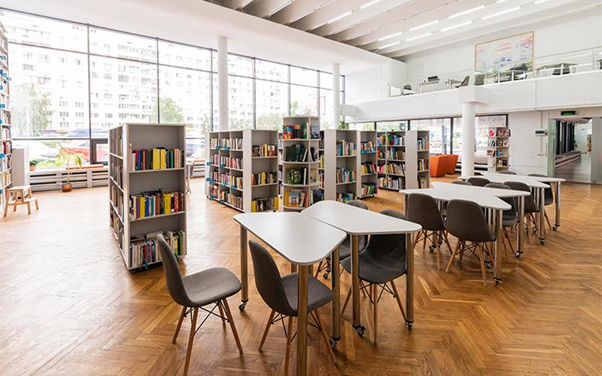
Classrooms stay well-lit and ventilated. The furniture suits various activities—from reading to crafts and collaborative projects. Quiet corners provide calm zones for individual reflection or downtime. Safe zones reduce sensory overstimulation, helping children unwind after a school day.
Cleanliness and safety stay consistent. Educators implement hygiene practices and conduct daily sanitisation. Emergency protocols, CCTV monitoring, and controlled access maintain security. Some centres also install safety flooring and ergonomic setups to support healthy posture and reduce injury risks.
Parents trusting a student care centre assess more than a layout. They observe how students move and interact within the space. A calm and purposeful setting suggests the team understands how the environment affects behaviour and learning. Premium centres take this seriously.
Student care in Singapore must run on stable, trained guidance. Premium centres invest in educators with teaching experience, child psychology backgrounds, and classroom management expertise. These individuals guide daily routines, academic tasks, and social challenges with patience and consistency.
Students perform better with familiar and competent mentors. These caregivers know when to offer support, when to challenge thinking, and when to step back. They model respectful communication, set clear boundaries, and coach students through emotional regulation and problem-solving.
Premium centres also maintain low educator-to-student ratios. This allows educators to observe needs closely, spot learning gaps, and provide tailored support. Whether a child struggles with spelling or peer conflict, responsive staff intervene effectively and positively.
Training never stops. Educators regularly attend workshops to refresh teaching techniques and adapt to evolving student behaviours. Parents appreciate this proactive mindset, as it reflects a strong commitment to professional and personal development.
High-performing student care centres establish consistent communication with families. Parents receive daily updates, weekly summaries, and developmental insights. Some centres offer digital platforms for tracking behaviour, assignments, and skill progression.
Communication ensures transparency. Families know what their children achieve, where they struggle, and how staff respond. They feel confident trusting the centre, knowing their feedback is acknowledged and their child’s voice is heard.
Parent-teacher meetings happen frequently. These discussions review progress and explore home-centre synergy. Some centres even provide parenting resources and workshops, supporting families beyond care hours.
Premium student care in Singapore strengthens the home-school-care loop. Students benefit from consistent values across all touchpoints, allowing them to stay grounded and confident. Communication fosters mutual respect, alignment, and genuine partnership between parents and the centre.
Parents managing tight work schedules rely on centres that understand real-world needs. Premium student care centres in Singapore extend services beyond term time. They offer full-day programmes during holidays, early dismissal support, and last-minute assistance where necessary.
This reliability gives working parents peace of mind. They plan routines confidently, knowing someone competent always stays available to supervise, teach, or guide their children. Consistent availability keeps students in familiar environments, which helps with emotional regulation and continuity in learning.
Programmes stay varied throughout the year. School holidays become opportunities for themed activities, outings, or project-based learning. These experiences break academic monotony while stimulating creative and physical development.
Parents choosing a student care centre want more than convenience. They value responsiveness, flexibility, and respect for their time. Premium centres prove their worth by showing up consistently—during school days, holidays, and everything in between.
Parents seeking trusted after-school support should assess the full picture. Premium student care in Singapore balances structured academics with emotional development, flexible services, and safe environments. Every feature—from communication to holiday programming—reflects a centre’s values and long-term commitment.
Explore quality options and discover structured care solutions by contacting Enlightened Hand Learning Hub for premium student care in Singapore that supports growth, learning, and well-being.

Phonics is often pitched as the golden key to reading fluency. It teaches kids how sounds match letters, helping them decode words instead of just memorising them. But here’s the thing: not all phonics classes work the same way. Some kids move forward quickly, while others stall despite weekly lessons. So, how do you know if your child’s phonics programme is actually doing its job?
This article cuts through the confusion and highlights what signs to watch for. Whether you’re attending casual phonics classes in Singapore or eyeing the best tuition centre in Singapore, there are some clear clues that your child is either thriving or just treading water.
One of the first signs that a phonics programme is working is when your child stops relying on guesswork. Instead of staring at a word like “chicken” and blurting out random animals, they break it down. They sound out the “ch,” the “ick,” and then the “en.” It may be slow at first, but progress is progress.
Phonics help children identify letter patterns. If your child begins to handle unfamiliar words using these patterns, that’s a win. Good tuition centres know this and make decoding part of every lesson, especially those offering phonics classes in Singapore for early readers.
Reading and writing are like two sides of the same sandwich. When phonics click, spelling improves too. Children start to spell words how they sound, and while early attempts might be a bit off (“fone” instead of “phone”), they show that sound-symbol mapping is happening.
If your child can apply what they’ve learnt in phonics to their writing at school or during tuition, that’s another sign of solid progress. A tuition centre in Singapore that focuses on literacy will usually track this, even in informal assessments.
Confidence can be a major indicator. Children who struggle with reading tend to get anxious when asked to read aloud. But when phonics starts working, that anxiety shrinks. They approach books with more curiosity and less fear.
If your child begins to choose books on their own or read signs and menus out loud without being prompted, take note. These small signs point to growing confidence that comes from having real tools to read with.
A self-correcting reader is one who uses phonics instinctively. If your child stumbles over a word, pauses, and then tries again with a different sound blend, that shows real understanding. It means they’re engaging with what they’ve learned and applying it on the fly.
Good phonics instruction encourages trial and error. If your child is confident enough to stop and try again, rather than skip over tricky words or guess wildly, the programme is likely doing its job.
Phonics programmes should not be a mystery to parents. If your child’s tuition centre in Singapore is worth the investment, you’ll see a connection between what happens in class and what your child does at home. The best tuition centre in Singapore will often share learning goals, reading strategies, and progress updates with parents.
Watch for signs like shared reading routines, common word lists, or familiar games that show up in both places. Consistency helps reinforce skills and build lasting reading habits.
It might feel annoying when your child asks, “Why is there a silent ‘e’?” or “Why does ‘ph’ make an ‘f’ sound?” But this curiosity is a clear sign of phonics awareness. It shows they’re noticing patterns and thinking critically about language.
Phonics classes in Singapore that work well tend to make room for this kind of questioning. If your child’s tutor encourages exploration and explains these rules, it deepens understanding and keeps things engaging.
Not every child progresses at the same rate. Some pick up phonics quickly, others take longer to blend sounds or recognise tricky letter groups. That doesn’t mean the programme isn’t working. What matters is whether there’s a steady climb in skill level over time.
If your child isn’t showing any signs of improvement after a few months, it might be worth speaking with the tutor. The best tuition centre in Singapore won’t stick to a rigid script. They’ll adapt lessons or suggest a different pace if needed.
Contact The Eton Academy to find phonics classes in Singapore that focus on real results, build reading confidence, and support your child’s unique learning journey.

English proficiency serves as the cornerstone of academic achievement across all subjects, making it essential for students to develop strong reading and writing skills from an early age. The ability to comprehend complex texts and articulate thoughts clearly determines success not only in English examinations but also in subjects requiring analytical thinking and written communication. Quality English tuition in Singapore provides students with the structured approach necessary to build these fundamental skills systematically.
Many students struggle with reading comprehension due to limited vocabulary, difficulty identifying main ideas, and challenges in making inferences from texts. These obstacles often stem from inadequate exposure to diverse reading materials and insufficient practice in critical analysis techniques. Professional English tuition programmes address these specific weaknesses through targeted exercises and personalised guidance.
Poor writing skills typically manifest through unclear sentence structures, inadequate paragraph development, and difficulty in organising ideas coherently. Students frequently lack confidence in expressing their thoughts on paper, leading to incomplete or superficial responses in examinations. Structured English tuition in Singapore helps students overcome these barriers by providing systematic writing frameworks and consistent practice opportunities.
Effective vocabulary expansion occurs when students encounter new words within meaningful contexts rather than through rote memorisation of word lists. Quality tuition programmes incorporate diverse texts that expose students to varied vocabulary whilst teaching them to deduce meanings from contextual clues. This approach ensures that newly acquired vocabulary becomes part of students’ active language repertoire rather than passive recognition.
Critical reading involves more than understanding surface meanings; it requires students to evaluate arguments, identify biases, and draw logical conclusions from textual evidence. English tuition providers focus on teaching students to question what they read, compare different perspectives, and synthesise information from multiple sources. These analytical skills prove invaluable across all academic subjects and future professional endeavours.
Strong introductions capture readers’ attention whilst establishing clear thesis statements, setting the tone for the entire piece of writing. Effective conclusions synthesise key points and leave lasting impressions on readers without merely repeating earlier content. Singapore English tuition programmes teach students specific techniques for creating impactful openings and memorable endings that elevate their writing quality.
Well-structured body paragraphs contain clear topic sentences, supporting evidence, and smooth transitions that guide readers through the writer’s argument. Students learn to balance concrete examples with analytical commentary, ensuring their writing demonstrates both understanding and critical thinking. Professional tuition guidance helps students master paragraph unity and coherence, essential elements of sophisticated academic writing.
Every student possesses unique learning preferences that influence how they process and retain information most effectively. Some learners benefit from visual aids and graphic organisers, whilst others respond better to auditory explanations or hands-on activities. Quality English tuition in Singapore recognises these differences and adapts teaching methods to match individual learning styles for optimal results.
Constructive feedback plays a crucial role in helping students identify their strengths and areas for improvement in both reading and writing tasks. Experienced tutors provide specific, actionable guidance that enables students to refine their skills progressively. This personalised attention ensures that students receive the support they need to overcome particular challenges and build confidence in their abilities.
Effective learning occurs when students work towards clear, attainable objectives that mark their progress along the journey to English mastery. These goals should be specific, measurable, and relevant to students’ academic needs and personal interests. Singapore tuition programmes establish milestone markers that help students recognise their improvements and maintain motivation throughout their learning journey.
Acknowledging progress, regardless of how small, encourages students to continue working towards their English language goals. Confident students are more likely to take risks in their writing, participate actively in discussions, and approach challenging texts with determination. Quality English tuition creates supportive environments where students feel comfortable making mistakes whilst learning from them constructively.
Mastering reading and writing through targeted English tuition requires commitment, structured guidance, and consistent practice. The investment in quality instruction pays dividends not only in improved examination results but also in enhanced communication skills that benefit students throughout their academic and professional careers. With proper support and dedication, every student can develop the English proficiency necessary for long-term success.

In the race to give children the best start in life, parents and educators often focus intensely on academic milestones. We celebrate the first time a child recognizes a letter or counts to ten. While these moments are important, a truly well-rounded education builds much more than just cognitive skills. It also builds the social and emotional framework that will support a child throughout their entire life. Social and emotional learning (SEL) is the process through which children learn to understand and manage emotions, set and achieve positive goals, feel and show empathy for others, establish and maintain positive relationships, and make responsible decisions. It is the invisible curriculum that underpins all other learning.
For a young child, the world is often a collection of “I wants” and “my turns.” Through effective social and emotional learning, they begin to see the world from another person’s perspective. In a high-quality early years setting, children learn the fundamental skills of social interaction: sharing toys, taking turns, and patiently waiting. They learn to negotiate with their peers—a skill that will serve them far beyond the playground—and to resolve minor conflicts through discussion rather than frustration. These small, daily interactions are the building blocks of empathy and cooperation, laying the groundwork for meaningful friendships and collaborative relationships in the future.
One of the most powerful gifts we can give a child is the ability to name their feelings and understand that all emotions are valid, even the difficult ones. Early childhood is a time of big feelings and often-overwhelming emotions. A nurturing environment helps children identify whether they are feeling happy, sad, or frustrated. They learn that while it’s okay to feel angry, it is not okay to hit. They are taught healthy strategies for self-soothing and expressing their emotions in a safe way. This emotional intelligence is a crucial predictor of success in school and in life. It’s a key tenet of many modern kindergartens, which focus on the whole child. A great example is Kensington Kindergarten, where the child-led approach provides a supportive and caring environment for children to explore and understand their emotional world.
Social and emotional learning is not a stand-alone subject; it’s woven into every interaction. Teachers play a pivotal role, modeling positive behavior, using calm language, and guiding children through social challenges. They create a classroom community where kindness and respect are the norm. However, this learning doesn’t stop at the school gates. Parents are equally important in reinforcing these lessons at home. By talking to children about their day, validating their feelings, and modelling empathetic behavior, parents can create a consistent and supportive learning environment that helps these crucial skills flourish.
In conclusion, while we celebrate a child’s academic progress, we must remember that their ability to connect with others, to manage their own feelings, and to navigate social situations is just as vital. Strong social and emotional skills lead to better academic performance, greater resilience in the face of challenges, and a more fulfilling life. By choosing an educational setting that prioritizes this often-overlooked curriculum, and by continuing this learning at home, we are truly giving our children the foundation they need to succeed and thrive.