Category

Education

Category

Key Takeaways

  • A prompt engineering course with a certificate can open immediate, practical career paths in AI-driven roles.
  • The best course on artificial intelligence focuses on application, not just theory.
  • Career opportunities span content automation, AI operations, and product-level implementation.
  • Employers value demonstrable outputs over certificates alone.

Introduction

A prompt engineering course with a certificate is often positioned as a quick entry into AI, but its real value depends on what it enables you to do after completion. While many learners focus on the credential itself, employers are more concerned with how you apply prompt design to real workflows. The best course on artificial intelligence does not just teach concepts-it equips you to execute tasks that align with business needs. This instance is where career pathways begin to take shape.

Below are three clear directions professionals move into after completing structured training in prompt engineering and applied AI.

AI Content and Automation Specialist

One of the most immediate career paths after completing a prompt engineering course with a certificate is working as an AI content and automation specialist. This role focuses on using structured prompts to generate, refine, and scale written outputs across marketing, customer service, and internal documentation. Instead of manually producing content, professionals design prompt systems that maintain consistency while reducing turnaround time.

The best course on artificial intelligence prepares learners to go beyond simple text generation. It introduces workflows such as multi-step prompting, tone control, and output validation. These are essential when handling large volumes of content where accuracy and alignment matter. In practice, this role involves building prompt libraries, testing variations, and integrating AI tools into existing content pipelines.

Companies increasingly look for individuals who can reduce manual workload without compromising quality. This instance makes prompt engineering a practical skill for marketing teams, agencies, and even corporate communications departments. The transition into this role is relatively fast because it builds on tasks that already exist in most organisations, but executes them more efficiently.

AI Operations and Workflow Integration Specialist

Another career path is centred on operational efficiency. Many professionals move into roles that focus on integrating AI into business processes after completing a prompt engineering course with a certificate. This route includes designing prompts that automate repetitive tasks such as data summarisation, report generation, and internal support queries.

The best course on artificial intelligence typically introduces system-level thinking, where prompts are not standalone instructions but part of a larger workflow. This instance includes chaining prompts, setting conditions, and ensuring outputs feed correctly into downstream processes. These skills are directly applicable in operations, finance, HR, and customer support functions.

The value in this role lies in identifying inefficiencies and replacing them with AI-assisted workflows. For example, instead of manually compiling weekly reports, a well-designed prompt system can extract, summarise, and format data automatically. Professionals in this path often work closely with cross-functional teams to ensure that AI tools align with operational goals rather than disrupt them.

This pathway suits individuals who prefer structured problem-solving and process optimisation over purely creative tasks. It also offers strong scalability, as improvements in one workflow can often be replicated across departments.

AI Product and Tooling Specialist

The third career path involves working closer to product development. A prompt engineering course with a certificate can serve as an entry point into roles where prompts are embedded within AI-powered products, platforms, or internal tools. These professionals design how users interact with AI systems and ensure outputs meet specific functional requirements.

The best course on artificial intelligence exposes learners to use cases such as chatbot design, user interaction flows, and prompt testing within applications. This role goes beyond writing effective prompts-it requires understanding user intent, edge cases, and system limitations. Professionals in this path often collaborate with developers, product managers, and UX designers.

In practical terms, this role involves creating prompt frameworks that deliver consistent results across different user inputs. It also includes refining outputs based on feedback and improving system performance over time. Since more companies build AI into their products, the demand for individuals who can bridge technical capability and user experience continues to grow.

This pathway typically requires a deeper understanding of how AI systems behave, but it also offers long-term growth potential. It positions professionals closer to decision-making processes within product teams, rather than purely execution-based roles.

Conclusion

A prompt engineering course with a certificate is not an endpoint but a starting point for multiple career directions. Whether you move into content automation, operational efficiency, or product-level implementation, the common factor is application. The best course on artificial intelligence equips you with the ability to turn prompts into working systems that solve real problems. Career progression then depends on how effectively you translate those skills into measurable outcomes.

You can scroll through AI content all day, or you can be the person building the systems everyone else relies on. Visit OOm Institute today.


Why are more Singaporeans investing time in an English language course?

In today’s fast-paced global economy, English has become more than just another language; it’s a vital tool for communication, career advancement, and business success. Singapore, known for its strategic position as an international business hub, naturally places a strong emphasis on English proficiency. But why exactly are more Singaporeans choosing to enrol in an english language course these days?

Firstly, English remains the dominant language in Singapore’s education system, corporate sector, and government communications. However, with the evolving demands of the modern workplace, basic conversational skills are no longer enough. Employees and professionals are increasingly expected to express ideas clearly, negotiate effectively, and write with precision. This is where a comprehensive English language course can make a real difference.

Moreover, Singapore’s multicultural society means people interact daily with colleagues and clients from diverse backgrounds. Mastering English helps bridge cultural gaps and fosters smoother collaboration. Whether you’re a fresh graduate stepping into the workforce or a seasoned professional aiming to sharpen your communication skills, investing in an English language course is a logical step toward staying competitive.

How does an English language course help improve communication in business?

Business communication isn’t just about exchanging information; it’s about making a strong impression. In Singapore’s corporate landscape, where professionalism and clarity are highly valued, the ability to communicate effectively can set you apart from your peers. An english language course focuses not only on grammar and vocabulary but also on practical skills such as tone, style, and audience awareness.

Many courses incorporate real-world scenarios that professionals face daily, such as drafting emails, preparing reports, and participating in meetings. These skills are essential because they reduce misunderstandings and boost confidence. For instance, knowing how to structure a compelling presentation or write a concise email can improve your work relationships and lead to better business outcomes.

Furthermore, Singapore companies often deal with international partners, requiring flawless communication that reflects the company’s professionalism. A strong command of English ensures that messages are not lost in translation, thereby fostering trust and credibility.

What makes a business writing course in Singapore a smart choice?

While general English courses build foundational skills, a targeted business writing course singapore hones in on writing skills specific to the corporate world. This type of specialised training is invaluable for professionals who want to enhance their ability to create clear, persuasive, and error-free business documents.

In Singapore’s competitive job market, clear and effective business writing can greatly influence career progression. Whether you’re drafting proposals, memos, or marketing content, the ability to write in a professional tone tailored to your audience can make a significant difference.

A business writing course in Singapore often addresses common challenges such as avoiding jargon, maintaining clarity, and crafting impactful subject lines. It also covers essential etiquette, such as when to use formal versus informal language and how to handle sensitive topics diplomatically. These nuances are crucial in a business environment where impressions matter and every word counts.

Additionally, such courses typically provide personalised feedback, allowing participants to refine their writing style and correct habitual mistakes. This practical approach enhances learning outcomes and ensures that skills are immediately applicable in the workplace.

How can these courses boost your confidence and career prospects?

Beyond language skills, enrolling in an english language course or a specialised business writing course singapore can significantly boost your confidence. In Singapore’s professional environment, confidence in communication often translates to leadership potential and career growth.

When you communicate clearly, you contribute more effectively to team discussions, present ideas persuasively, and negotiate with greater assurance. This not only improves your work performance but also increases your visibility within the organisation. Employers value employees who can articulate ideas well and represent the company professionally.

Furthermore, many multinational companies in Singapore require employees to interact with overseas clients and partners. Strong English communication skills open doors to international assignments and promotions, broadening your career horizons.

What should you look for when choosing an English language or business writing course in Singapore?

If you’re considering enrolling in an english language course or a business writing course singapore, it’s important to choose a programme that suits your specific needs and goals. Experienced centres like United Language Centre offer courses tailored to different proficiency levels and professional requirements.

Look for courses that provide a balanced mix of theory and practice, with opportunities for interactive learning. Qualified instructors with real-world experience can offer valuable insights and personalised guidance. Additionally, courses that include assessments and feedback mechanisms help track your progress effectively.

Consider also the flexibility of scheduling, especially if you’re balancing work commitments. Many centres in Singapore offer both in-person and online options, making it easier to fit learning into your busy life.

Why trust United Language Centre for your English learning journey?

United Language Centre has built a reputation in Singapore for delivering high-quality language training with a focus on practical outcomes. Their programmes are designed by experts who understand the nuances of Singapore’s business environment. With a strong emphasis on communication skills that matter in the workplace, ULC ensures learners not only improve their English but also gain confidence to use it effectively.

Choosing a centre with proven expertise and positive learner testimonials gives you peace of mind that your investment in language training will yield tangible results. Whether you want to improve general English skills or focus on business writing, ULC’s courses are tailored to help you succeed in Singapore’s dynamic professional landscape.

In conclusion, taking an English language course or a specialised business writing course is more relevant than ever in Singapore today. These programmes equip you with essential skills to communicate clearly, build professional relationships, and advance your career. By choosing the right course and provider, you set yourself up for success in both local and international arenas. If you’re ready to enhance your English skills, consider exploring the options at United Language Centre and take the next step toward greater confidence and career growth.

Key Takeaways

  • Structured physical activity builds the cognitive, emotional, and physical foundations necessary for primary school readiness.
  • There is a link between vestibular stimulation (movement) and the development of spatial awareness and reading skills.
  • A safe, fun environment encourages children to embrace failure as a stepping stone to mastery.
  • The group dynamics of early movement classes foster empathy, patience, and cooperative play.

Introduction

The journey of early childhood is a whirlwind of rapid milestones, from the first wobbly steps to the complex chatter of a four-year-old. During these formative years, parents look for activities that seek environments that nurture the whole child. While swimming or football are popular choices, gymnastics classes for kids offer a unique, multi-dimensional approach to development that few other sports can replicate. By engaging the body in three-dimensional movement, children are both building muscles and wiring their brains for success.

The Cognitive Engine of Preschool Gymnastics

The vestibular system, located in the inner ear, is responsible for our sense of balance and spatial orientation. Children with highly developed vestibular systems show greater proficiency in visual tracking and spatial reasoning. By navigating the physical challenges of the gym, a child is essentially learning how to learn, building a mental map of their capabilities in relation to the world around them.

At an age where sedentary lifestyle habits can begin to take root, structured physical play provides the foundational strength and flexibility required for a healthy life. Engaging in these activities helps to develop the body’s ability to sense its location and movements. A child who understands where their body is in space is less likely to be clumsy and more likely to feel confident in other physical pursuits.

Risk vs Hazard

Traditional wisdom suggests we should shield our children from any form of physical risk. However, by eliminating risk, we are inadvertently creating hazards. Risk is a calculated challenge. A hazard is something the child cannot see or control. Preschool gymnastics provides a controlled environment for risky play, which is essential for developing a child’s ability to assess their own limits.

Challenging the wisdom of constant protection actually fosters greater safety in the long run. Children who are taught how to fall safely, how to grip firmly, and how to land with soft knees are far better equipped for the wild playground of the real world. By letting children experience height and speed within the safety of a matted gym under professional supervision, we are teaching them the mechanics of their own bodies.

The Social Laboratory of the Gymnasium

Gymnastics classes for kids function as a vital social laboratory. For many preschoolers, this is one of their first experiences in a structured group setting outside of the home. The gym teaches children to be part of a community. These shared experiences build a sense of belonging and help to mitigate the social anxiety that can sometimes accompany the transition to primary school.

Furthermore, the relationship between a child and their coach is a unique dynamic that fosters respect for authority outside the parental sphere. A coach provides a different type of encouragement. This helps children understand that praise is something earned through persistence. The clear, objective goals of gymnastics provide a refreshing dose of reality.

The Long-term Arc

The transition from a toddler’s clumsy roll to a school-aged child’s controlled handstand is a visual representation of a maturing nervous system. Gymnastics classes for kids facilitate this transition by breaking down complex movements into manageable, bite-sized pieces. As they progress, the tasks become more demanding, but because the foundation is solid, the child remains undaunted.

Ultimately, the gymnasium is a place and space where children are encouraged to be loud, to be fast, and to be brave, but within a framework of discipline and safety. This balance is exactly what the developing child needs to find their footing in a complex world. By investing in these early years of movement, you are providing a sanctuary for growth where your child can discover the limits of their world and the limitlessness of their potential.

Conclusion

The benefits of engaging your child in structured movement go far beyond the walls of the gym. From the neurological boost provided by preschool gymnastics to the social and emotional resilience forged in gymnastics classes for kids, the gymnasium serves as a foundational training ground for life. By challenging the traditional wisdom of over-protection and embracing calculated risk, we allow our children to develop the strength, coordination, and confidence they need to thrive. As they tumble, climb, and balance, they are building the internal architecture of a successful, resilient individual.

As a parent, do you want to know how movement can change your child’s perspective? Speak with BearyFun Gym and take the first step toward building a stronger, more confident future today.

Being an educator is a rewarding career. And pursuing a career in Early Childhood Education (ECE) is preferred by many. And earning a diploma in education malaysia is the choice for those who are passionate about shaping young minds. However, before enrolling in a program, it’s important to evaluate several factors. Answer these questions to ensure that your choice aligns with your goals.

Do you see yourself teaching children?

Working with young kids requires patience. That’s why you need to have a genuine interest in this career. You have to be sure that you will enjoy interacting with children. Do you see yourself supporting their growth and development? Remember that passion is essential in this field. Your interest in teaching children can greatly influence the quality of education you provide.

What does the program cover?

Not all ECE programs offered in Malaysia are the same. Make sure that you review the curriculum first before you decide. This is to ensure that the program covers essential topics that you will be required to learn to be an effective ECE teacher. A well-rounded program is important. This prepares you for real-world teaching environments.

The program should include the following:

  • Child development theories.
  • Curriculum planning.
  • Classroom management strategies.
  • Health, safety, and nutrition.
  • Observation techniques
  • Practical training

Is the program provider recognized and accredited?

It is crucial for the program provider to offer courses that are accredited by relevant authorities. This ensures that employers will hire you. This also guarantees that your education meets industry standards.

Will you have a hands-on teaching opportunity?

Hands-on experience is crucial if you want to venture into Early Childhood Education. Look for programs that include internships and on-the-job training. You need practical exposure to help you apply what you learn in class. This way, you can build confidence in managing a classroom full of kids.

What are the possible career paths for you?

Know what the future looks like for you. Consider the career options available in early childhood education. Most graduates work as preschool teachers. Others prefer to start a childcare business. Understanding your potential path can help you make an informed decision.

Do you have the time to train?

These programs can vary in duration. Some are full-time, while others offer part-time or online options. Choose a program that fits your schedule. Most of these classes are conducted online. See if you can find a schedule that fits your preference.

Do you have the funds for the program?

You need to consider the tuition fees and other expenses if you want to enroll in these programs. Compare different programs to see which is the most reasonable when it comes to the fees. The cost should align with the value offered.

Conclusion

Enrolling in an Early Childhood Education program is an exciting idea, especially if this is the path that you are looking forward to taking. You have to choose the right program or course for you. Make sure that you have answers to these common questions. This way, you know that you are ready for this next part of your journey.

Graphic design programs are often the first real step for anyone who wants to turn creative ideas into something that actually pays the bills.

I still remember sitting late at night trying to recreate logos I saw online.

At that time, it felt like a fun challenge, not a career path.

Everything changed when I realized that design is not just about creativity, it’s about communication.

Once I started learning the fundamentals, my work began to look more polished and purposeful.

That’s when I understood that structured learning can make a huge difference.

Why Creativity Alone Is Not Enough

Being creative is a great start, but it’s not the whole picture.

I learned this the hard way when I tried freelancing early on and realized clients didn’t just want something that “looked good.”

They wanted designs that solved problems.

They wanted branding that communicates clearly, layouts that convert viewers into customers, and visuals that align with business goals.

That’s where formal training helps.

Design education teaches principles like color theory, typography, composition, and visual hierarchy.

If you want to build these skills in a structured way, exploring graphic design programs can give you a strong foundation.

These are the foundations that separate amateur work from professional-level output.

Once you understand these concepts, your work stops being guesswork and starts becoming intentional.

How Design Education Builds Real-World Skills

Learning Industry Tools

The first time I opened professional design software, I felt completely lost.

There were too many tools and options, and I didn’t know where to begin.

But with proper guidance, everything started to make sense.

Most design courses teach tools like Photoshop, Illustrator, and InDesign.

These tools are widely used across industries.

Once you get comfortable with them, your workflow becomes faster and more efficient.

Instead of struggling with tools, you can focus on bringing your ideas to life.

Understanding Design Thinking

Design is not just about making things look good.

It’s about solving problems visually.

One of the biggest lessons I learned was how to think like a designer.

For example, when creating a logo, you don’t just choose colors randomly.

You consider the brand identity, target audience, and overall message.

This approach changes how you work.

You begin to design with purpose instead of guessing what looks right.

Building a Portfolio That Gets You Noticed

A portfolio is your strongest asset in the design world.

It shows what you can do without needing long explanations.

During my early days, my portfolio was just a collection of random designs.

But once I started working on guided projects, everything improved.

Each piece had a purpose and a story behind it.

That made a huge difference when reaching out to clients.

A well-structured portfolio helps you stand out in a competitive market.

Turning Skills Into Career Opportunities

Freelancing and Remote Work

One of the best things about design is flexibility.

You don’t need to be tied to a single location or company.

Many designers work remotely or take on freelance projects.

I started with small gigs like social media posts and simple logos.

Over time, those projects grew into bigger opportunities.

As your skills improve, your earning potential also increases.

Working With Teams and Agencies

Some people prefer a more stable work environment.

There are plenty of opportunities in agencies and companies.

Designers work alongside marketers, developers, and content creators.

This collaboration helps you understand how design fits into a larger strategy.

You learn faster when you’re part of a team.

Exploring Specialized Design Fields

Graphic design is a broad field with many paths.

You can specialize in areas like branding, UI design, or motion graphics.

Each specialization offers unique opportunities.

For example, UI designers focus on improving user experiences in apps and websites.

Motion designers create animations for videos and ads.

Choosing a niche can help you grow faster and stand out.

The Importance of Feedback and Practice

One thing I underestimated early on was feedback.

When you work alone, it’s easy to miss your mistakes.

Getting feedback from experienced designers can change everything.

I remember receiving detailed critiques on my designs.

At first, it felt tough to hear.

But those suggestions helped me improve faster than anything else.

Practice combined with feedback leads to real growth.

Staying Updated in a Fast-Changing Industry

Design trends keep evolving.

What looks modern today might not work tomorrow.

That’s why continuous learning is important.

You need to stay updated with new tools and trends.

I make it a habit to study designs I see online.

I try to understand what makes them effective.

This habit has helped me improve consistently.

Building Confidence Through Experience

Confidence doesn’t come overnight.

It grows with experience and understanding.

When you know why your design works, you can explain it clearly.

This builds trust with clients.

Earlier, I struggled to justify my design decisions.

Now, I can confidently explain the reasoning behind each element.

That confidence makes a big difference in professional settings.

Final Thoughts

Turning creativity into a career is possible with the right approach.

It requires more than just talent.

Learning design through proper training helps you build a strong foundation.

It prepares you for real-world challenges and opportunities.

Whether you want to freelance, work with a team, or explore different design paths, the possibilities are endless.

Once you start seeing your ideas come to life, the journey becomes incredibly rewarding.

Key Takeaways

  • A global preschool supports cultural fluency, not just academic readiness
  • A Chinese immersion preschool works best when language is lived, not drilled
  • The right choice depends on consistency, not intensity
  • Some decisions are not strict yes-or-no, but thoughtful “maybes”

Introduction

Parents choosing early childhood education today face more options than ever. Among the most common comparisons is whether a global preschool or a Chinese immersion preschool better supports a child’s early development. Both approaches promise long-term benefits, yet misunderstandings often shape decisions before parents fully understand what actually works in practice.

The Do’s: What Truly Supports Early Learning

Do look for cultural depth, not just international labels

global preschool should do more than celebrate festivals or display flags. True global learning introduces children to perspectives, routines, and values that build openness and adaptability. A strong global preschool integrates language, social norms, and curiosity about differences into everyday classroom life. This approach supports empathy and confidence without overwhelming young learners.

Do prioritise immersion that feels natural

A Chinese immersion preschool works best when the language is part of how children play, communicate, and explore. A well-designed Chinese immersion preschool allows Mandarin to flow through storytelling, music, routines, and relationships. This builds familiarity and comfort, which are essential for long-term retention.

Do observe how teachers model language and behaviour

Children learn as much from observation as from instruction. In both a global preschool and a Chinese immersion preschool, teachers who naturally switch languages, demonstrate curiosity, and respond patiently help children feel safe engaging with new ideas. Observing classrooms in action often reveals more than brochures or curriculum outlines.

Do consider emotional safety as foundational

Young children need predictable routines, responsive adults, and a sense of belonging. Whether choosing a global preschool or a Chinese immersion preschool, parents should notice how children are comforted, guided, and encouraged. Academic goals follow more naturally when children feel secure.

The Don’ts: Common Pitfalls That Limit Impact

Don’t assume earlier always means better.

There is a widespread belief that the earlier a child enters a Chinese immersion preschool, the stronger their language outcomes will be. While early exposure is helpful, quality matters more than timing alone. A child who is emotionally ready and supported often learns more effectively than one placed into immersion too early without adequate scaffolding.

Don’t confuse structure with rigidity.

Overly rigid environments can restrict curiosity and natural learning. A global preschool that leaves room for exploration allows children to connect ideas across cultures organically. Similarly, a Chinese immersion preschool should adapt language use to the child’s responses. Flexibility supports engagement; rigidity often undermines it.

Don’t expect immediate, measurable results.

Language learning and cultural understanding develop gradually. Expecting quick fluency or obvious milestones can create unnecessary pressure. Children may understand far more than they can articulate. Patience is essential, especially in a Chinese immersion preschool where progress may not look linear.

The Maybes: Decisions That Depend on the Child

Maybe bilingual exposure should be balanced, not total.

Some children thrive in full immersion, while others benefit from a balanced approach that blends home language and Mandarin exposure. For some families, a global preschool with meaningful Mandarin integration may be more effective than full immersion. The “right” balance depends on the child’s temperament and family context.

Maybe continuity matters more than curriculum switching.

Switching programmes frequently in search of the “perfect” model can disrupt learning. Consistency often outweighs theoretical advantages. A child who remains in a supportive global preschool or Chinese immersion preschool gains trust and familiarity. Educational continuity supports emotional regulation and learning confidence.

Maybe parental involvement shapes outcomes more than programme type.

Parental attitudes toward language and culture influence how children engage with learning. Children are more motivated when parents reinforce curiosity and respect at home. Reading bilingual books, valuing cultural diversity, and showing interest in what children learn amplify the benefits of both a global preschool and a Chinese immersion preschool.

How Global and Immersion Models Can Complement Each Other

Global-minded environments that respect cultural identity while offering deep language exposure prepare children for multilingual, multicultural contexts. What ultimately matters is not how a programme describes itself, but how it functions day to day. Parents evaluating a global preschool or Chinese immersion preschool benefit from asking practical questions. Observing these details reveals whether philosophy translates into practice.

Conclusion

Choosing between a global preschool and a Chinese immersion preschool requires understanding how children learn, how language develops, and how environments shape confidence. The most effective choice balances exposure with emotional safety, structure with flexibility, and ambition with patience. By focusing on do’s, avoiding common don’ts, and thoughtfully considering the maybes, parents can make decisions that support language acquisition, lifelong curiosity and resilience.

If you’re exploring how Chinese immersion can sit naturally within a global learning environment, reach out to Odyssey – The Global Preschool today.

Key Takeaways

  • A bilingual preschool in Singapore integrates two languages into daily routines, helping children learn naturally through repetition and context.
  • Play-based activities and peer interactions encourage children to practise both languages in social settings, building confidence over time.
  • The preschool learning curriculum links bilingual literacy and numeracy with themes, stories, and classroom projects, supporting early school readiness.
  • Teacher modelling and family engagement extend language exposure beyond the classroom, reinforcing learning at home and during cultural activities.

Introduction

In Singapore, parents consider language exposure when choosing a preschool, especially in a multilingual environment where English and Mandarin are crucial. A bilingual preschool in Singapore introduces children to two languages during ordinary classroom routines, rather than treating language as a separate subject. The preschool learning curriculum blends stories, songs, conversations, and play, helping children hear and use both languages naturally. Families may wonder how bilingual settings affect communication, confidence, and readiness for primary school. The everyday benefits of bilingual preschool can help parents compare programmes and picture how language learning fits into a child’s daily school experience.

1. Everyday Language Exposure Through Routine Activities

Children in bilingual settings hear both languages during greetings, circle time, and transitions. Teachers may switch languages for instructions, songs, and classroom rules, which helps children understand context through repetition. The preschool learning curriculum often assigns specific activities to each language, so children connect words with actions and routines. Parents notice children using classroom phrases at home, which shows how routine-based exposure reinforces understanding.

2. Play-Based Communication And Social Interaction

Play creates opportunities for children to practise language in social settings. Role-play corners, storytelling props, and group games encourage children to speak with peers in both languages. Teachers introduce vocabulary through songs and movement activities that repeat sounds and phrases. In a bilingual preschool in Singapore, children often mix languages during pretend play, reflecting how they connect ideas across both systems, which can help shy children participate without pressure to speak perfectly, building confidence through interaction.

3. Bilingual Literacy And Early Numeracy Foundations

Early literacy and numeracy appear in both languages through simple books, labels, and classroom charts. Teachers may introduce basic characters or pinyin alongside English letters, linking symbols with sounds and meaning. The preschool learning curriculum often uses themes such as animals, community helpers, or seasons, with bilingual discussions and activities. Children learn counting, colours, and basic sentences in both languages, which supports early reading readiness without formal testing. Parents see this integration in portfolios and displays that combine art, writing, and science topics with language practice.

4. Teacher Modelling And Guided Conversations

Teachers play a central role in modelling how languages are used. They repeat phrases, expand sentences, and ask questions that prompt children to respond. Visual aids, gestures, and real objects help clarify meaning, especially for new vocabulary. Small-group discussions give children space to practise speaking with support. In a bilingual preschool in Singapore, consistent teacher interaction helps children hear natural sentence structures and pronunciation, which influences how confidently they speak. Families often receive updates on classroom discussions, which show how children respond in both languages during guided activities.

5. Cultural Awareness And Family Engagement

Bilingual settings often include cultural celebrations, stories, and songs that reflect different traditions. Children participate in festivals, performances, and themed activities that link language with cultural context. The preschool learning curriculum may include family events and workshops that explain language milestones and suggest home activities. Parents can reinforce learning with shared stories or simple conversations, which mirror classroom experiences. These connections help children recognise both languages as part of daily life rather than academic tasks, and families gain insight into how language development unfolds over time.

Conclusion

Parents sometimes expect bilingual preschools to produce fluent speakers within a short period, but language development usually appears in gradual shifts across routines, play, and conversations. Children may understand far more than they say, which can feel concerning without context. Bilingual preschools in Singapore integrate language throughout the preschool learning curriculum, helping progress build through repetition and meaningful use rather than formal drills. The gap between expectation and everyday classroom practice can help parents interpret observations and reports with patience, viewing bilingual development as an ongoing process that unfolds across months and years.

Visit Orange Tree Preschool to discover how beneficial bilingual early learning is for your children.

Choosing a preschool is rarely a simple decision. Parents weigh distance, fees, teaching styles and whether the environment feels right. Some families even tour several centres before anything clicks, especially when looking for something more rooted in shared values. It’s no surprise that many parents find themselves comparing a Yishun preschool with a faith-based preschool elsewhere because each one brings something distinct to the table. The search can become emotional at times, but that’s natural when the goal is to provide a child with a secure place to grow.

And while academics matter, parents often realise that qualities like kindness, resilience and empathy don’t flourish overnight. They develop through careful modelling, subtle nudges and daily routines that feel safe. That’s where the appeal of value-driven learning tends to show itself almost instinctively.

1. A Steady Moral Anchor Children Can Lean On

A faith-based preschool usually offers a clear moral framework that children can recognise and rely on. It’s not about strict rules; it’s more about gentle guidance that helps little ones understand right from wrong while still feeling heard. Teachers often tell stories, use simple scenarios or even songs to reinforce ideas about fairness or gratitude.

Interestingly, some parents initially think this approach might feel too structured, only to discover the opposite. It often feels freer because children learn to make sense of their emotions within a stable foundation. Whether in a Yishun preschool or one in another neighbourhood, this sense of grounding becomes a quiet reassurance for both the child and the family.

2. Building Character Through Everyday Moments

There’s something profound about how children absorb values without realising it. A faith-based preschool tends to weave character formation into ordinary activities. Sharing art materials, comforting a classmate or helping clean up becomes more than routine; it becomes an opportunity to build habits that last.

Teachers emphasise gentle responsibility. They also talk openly about feelings, which helps children recognise that kindness isn’t abstract – it’s practical and lived. Parents often hear stories at pick-up time about small things their children did that surprised them, reinforcing why the environment matters so much.

3. A Comforting Sense of Community

One of the strongest reasons parents choose a faith-based preschool is the welcoming community feel. Families tend to know one another, teachers stay connected even after children move on, and there’s a shared understanding of what matters. This sense of belonging makes transitions easier, especially for children who take a little longer to warm up.

It’s not unusual for families to compare that feeling with what they observe in a larger Yishun preschool. Some prefer the scale and variety of bigger centres; others appreciate the slower, more personal rhythm of a smaller faith-based setting. Both have strengths, but community spirit tends to flourish when staff and families share similar values.

4. Learning That Feels Purposeful

Children learn best when the experience feels meaningful. A faith-based preschool often ties lessons to broader themes – not in an overwhelming way but through steady reinforcement. Songs, stories, simple crafts and group activities are used to connect academic learning with emotional understanding.

This creates an atmosphere where children pay attention not just to what they’re learning but why it matters. They begin to see the world as interconnected, which shapes their motivation. That’s why many parents say their children seem more thoughtful or expressive after a few months in such an environment.

5. Preparing Children for a Bigger, More Diverse World

It may seem like a contradiction, but a values-focused environment often helps children navigate diversity with greater confidence. Understanding one’s own beliefs provides a stepping stone for respecting others. Teachers in a faith-based preschool typically emphasise empathy, curiosity and openness, which are essential traits for life in multicultural Singapore.

These centres teach children how to recognise differences without fear or confusion. The result isn’t narrow thinking but a broader worldview shaped by compassion. Parents choosing between a Yishun preschool and a faith-based option sometimes realise that this early grounding influences how children interact with classmates far beyond their preschool years.

Conclusion

Faith-based preschools offer something quietly powerful. They create an environment where values become part of everyday life, where learning carries meaning and where children feel supported by a genuine community. This combination can leave a lasting impression on a child’s confidence, behaviour and curiosity.

If you’re considering whether a faith-based preschool is the right fit, take a moment to speak with the teachers and observe the flow of the day – the atmosphere usually says more than any brochure.

For families who want a nurturing and values-centred start, visit Little Seeds Preschool today to learn more about their programmes.

Technical documentation is essential for any product or service, providing instructions, specifications, and guidance for users. Accurate translation of these materials is crucial for global operations, customer satisfaction, and safety compliance. However, translating technical content comes with unique challenges that require expertise, precision, and industry knowledge.

  1. Understanding Complex Terminology

Technical documents include industry-specific terms, acronyms, and jargon, which is why many organisations rely on specialised legal language services when precision and expertise are required. Translators must have subject-matter knowledge to interpret these correctly. Misunderstanding a term can cause errors, misuse of products, or confusion, so it is important to use translators familiar with the technical field. This is especially true in industries like engineering, medical devices, and software, where incorrect translation can have serious consequences.

  1. Maintaining Consistency Across Documents

Technical manuals often come in multiple volumes or versions. Consistent terminology, units, and phrasing help avoid confusion. Tools like translation memories and glossaries assist in keeping recurring terms accurate and uniform across all documents. Maintaining consistency also helps build trust with users, as they can easily understand instructions across all materials.

  1. Adapting to Measurement Systems and Standards

Different regions use different units of measurement, date formats, and regulatory standards. Translators must convert these correctly while keeping instructions clear and compliant with local laws and technical requirements. Attention to regional standards ensures that products are used safely and legally in different markets.

  1. Handling Complex Sentence Structures

Technical writing often contains long, complicated sentences with multiple clauses. Translators need to preserve the meaning while making the content readable in the target language, without oversimplifying important details. Proper sentence structure is vital to prevent misinterpretation, especially in operational or safety instructions.

  1. Ensuring Accuracy in Safety and Compliance Information

Mistakes in safety warnings, operational instructions, or compliance guidelines can lead to accidents, product damage, or legal issues. Careful attention to detail, double-checking terminology, and thorough proofreading are necessary to ensure accuracy. This step is particularly critical in medical, industrial, and chemical industries.

  1. Managing Multimedia and Visual Elements

Technical documents frequently include diagrams, charts, illustrations, and screenshots. Translators must coordinate the text with visuals, adapt labels correctly, and maintain formatting to ensure the document remains easy to use. Proper handling of visual elements ensures instructions are clear, avoiding misinterpretation by users.

  1. Balancing Technical Accuracy with Readability

Translated content must be both accurate and user-friendly. Literal translations can confuse readers, while oversimplification can compromise critical information. Striking the right balance ensures that technical documents are understandable while retaining essential technical details.

  1. Keeping Up with Software and Technology Updates

Technical products and software are regularly updated, requiring frequent revisions and retranslations of documentation. Translators must stay informed about product changes and maintain version control to provide accurate, up-to-date information. Coordinating updates across multiple languages ensures all users receive the latest instructions simultaneously.


Conclusion

Translating technical documentation goes beyond language skills. It requires technical expertise, attention to detail, and understanding the target audience. Overcoming these challenges ensures clear, safe, and effective communication across global markets. Accurate translations not only help users understand and operate products correctly but also maintain safety, compliance, and trust. With professional translators, proper tools, and careful project management, businesses can successfully deliver multilingual technical documentation worldwide.

Djibouti occupies a uniquely strategic position at the crossroads of East Africa, the Red Sea, and the Middle East. Its role as a logistics hub, combined with foreign military presence, port infrastructure, and growing investment in transport and services, makes it an increasingly relevant market for international organisations. However, hiring employees in Djibouti requires navigating a tightly regulated labour environment, complex administrative processes, and strict compliance obligations. The Employer of Record Djibouti model offers a structured and compliant solution for organisations seeking to build a local workforce without establishing a legal entity.

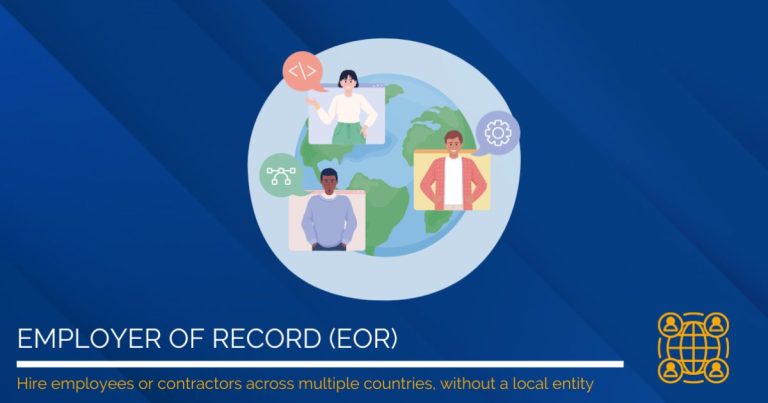
An Employer of Record (EOR) is a third-party organisation that legally employs workers on behalf of a foreign company. In Djibouti, the EOR assumes responsibility for employment contracts, payroll processing, tax compliance, social security contributions, and adherence to labour law. The client organisation retains operational control over employees’ daily activities, performance management, and business objectives. This model enables compliant market entry while limiting legal and operational exposure.

Understanding the Employer of Record Model in Djibouti

Employment relationships in Djibouti are governed by a formal labour code influenced by civil law traditions. The regulatory framework prioritises employee protection, written documentation, and mandatory social contributions. Non-compliance can result in penalties, labour disputes, or operational delays.

Under an Employer of Record Djibouti arrangement, the EOR is recognised as the official employer by local authorities. This allows foreign organisations to hire local or expatriate staff without registering a subsidiary, opening local payroll accounts, or managing statutory filings independently.

The model is commonly used by logistics operators, NGOs, international contractors, port services providers, defence contractors, and professional services firms.

Why Employer of Record Djibouti Is a Strategic Choice

Establishing a legal entity in Djibouti can be justified for large, permanent operations, but it is often disproportionate for smaller teams or project-based activities. Incorporation involves regulatory approvals, tax registration, social security enrolment, and ongoing compliance costs.

The Employer of Record Djibouti model provides a faster and lower-risk alternative.

Key Strategic Advantages

Organisations benefit from:

  • Rapid hiring without company incorporation
  • Full compliance with Djiboutian labour regulations
  • Outsourced payroll and statutory administration
  • Predictable employment costs
  • Reduced legal and HR overhead
  • Flexibility to scale operations

This approach is particularly valuable in environments where regulatory clarity and administrative efficiency are critical to operational continuity.

Employment Law Landscape in Djibouti

Djibouti’s labour law framework is prescriptive and enforcement-oriented. Employers must comply with formal requirements related to contracts, working conditions, termination, and social protection.

Core Legal Obligations

Employers are required to address:

  • Written employment contracts
  • Statutory working hours and overtime rules
  • Paid annual leave and public holidays
  • Sick leave and medical provisions
  • Notice periods and termination procedures
  • Mandatory social security registration

An Employer of Record Djibouti ensures these obligations are met consistently, reducing the risk of non-compliance.

Employment Contracts and Documentation

Written employment contracts are mandatory and must be compliant with national labour legislation. Contracts typically define job scope, compensation, benefits, working hours, probation periods, and termination conditions.

Contract Management Through an EOR

An Employer of Record Djibouti manages:

  • Drafting and localisation of employment agreements
  • Selection of fixed-term or open-ended contracts
  • Alignment with collective and statutory requirements
  • Secure storage of employment records
  • Contract amendments and renewals

This ensures legal clarity and protects both employer and employee interests.

Payroll Processing and Tax Compliance

Payroll administration in Djibouti requires accuracy, timeliness, and adherence to tax and reporting standards. Employers must withhold personal income tax and remit it to the appropriate authorities.

Payroll Responsibilities Under the EOR Model

An Employer of Record Djibouti handles:

  • Monthly payroll calculations and disbursements
  • Income tax withholding and remittance
  • Payslip generation in compliant formats
  • Payroll reporting and reconciliation
  • Ongoing updates linked to regulatory changes

Outsourcing payroll reduces administrative risk and ensures consistency.

Social Security Contributions and Statutory Benefits

Employers in Djibouti are required to register employees with national social security institutions covering pensions, occupational risks, and other statutory protections.

Social Security Administration via an EOR

An Employer of Record Djibouti ensures:

  • Employee registration with social security bodies
  • Accurate calculation of employer and employee contributions
  • Timely submission of declarations and payments
  • Proper deregistration upon termination

This guarantees continuity of benefits and protects the employer from penalties.

HR Administration and Workforce Governance

Beyond contracts and payroll, employers must maintain compliant HR processes and documentation. Labour inspections and audits are part of the regulatory environment.

HR Support Delivered by an EOR

An Employer of Record Djibouti typically provides:

  • Employee onboarding and orientation
  • Leave and absence tracking
  • Personnel file management
  • Disciplinary and grievance process support
  • Preparation for labour authority inspections

These services allow organisations to operate with confidence despite limited local HR presence.

Expatriate Employment and Immigration Compliance

Djibouti hosts a significant expatriate workforce, particularly in logistics, defence, engineering, and advisory roles. Immigration compliance is tightly linked to employment status.

EOR Support for Expatriates

An Employer of Record Djibouti can assist with:

  • Employment documentation for work permit applications
  • Coordination with immigration authorities
  • Monitoring permit validity and renewals
  • Compliance with localisation and workforce quotas

This integrated approach reduces immigration-related risks.

Employer of Record vs Local Entity Setup

A local entity may be appropriate for long-term operations with substantial headcount and capital investment. However, it introduces fixed costs, regulatory exposure, and exit complexity.

When the EOR Model Is Most Effective

The Employer of Record Djibouti model is particularly suitable for:

  • Market entry and feasibility phases
  • Infrastructure or logistics projects
  • NGOs and international organisations
  • Short- to medium-term contracts
  • Distributed or small teams

It offers compliance without long-term structural commitments.

Selecting the Right Employer of Record in Djibouti

The reliability of an EOR arrangement depends on the provider’s local expertise and operational maturity.

Evaluation Criteria

When assessing an Employer of Record Djibouti, organisations should consider:

  • In-depth knowledge of Djiboutian labour law
  • Proven payroll and compliance capabilities
  • Transparent service scope and pricing
  • Experience with multinational clients
  • Strong in-country operational support

A qualified EOR functions as a compliance partner rather than a simple administrative intermediary.

Conclusion

Djibouti’s strategic importance is matched by a regulatory environment that demands precision and compliance in employment practices. The Employer of Record Djibouti model provides a structured, legally sound solution for organisations seeking to hire talent while minimising risk and administrative burden. By outsourcing employer responsibilities to a specialised partner, businesses can focus on operational execution and strategic growth in one of the Horn of Africa’s most critical economic hubs.