

Key Takeaways
- A global preschool supports cultural fluency, not just academic readiness
- A Chinese immersion preschool works best when language is lived, not drilled
- The right choice depends on consistency, not intensity
- Some decisions are not strict yes-or-no, but thoughtful “maybes”
Introduction
Parents choosing early childhood education today face more options than ever. Among the most common comparisons is whether a global preschool or a Chinese immersion preschool better supports a child’s early development. Both approaches promise long-term benefits, yet misunderstandings often shape decisions before parents fully understand what actually works in practice.
The Do’s: What Truly Supports Early Learning
Do look for cultural depth, not just international labels
A global preschool should do more than celebrate festivals or display flags. True global learning introduces children to perspectives, routines, and values that build openness and adaptability. A strong global preschool integrates language, social norms, and curiosity about differences into everyday classroom life. This approach supports empathy and confidence without overwhelming young learners.
Do prioritise immersion that feels natural
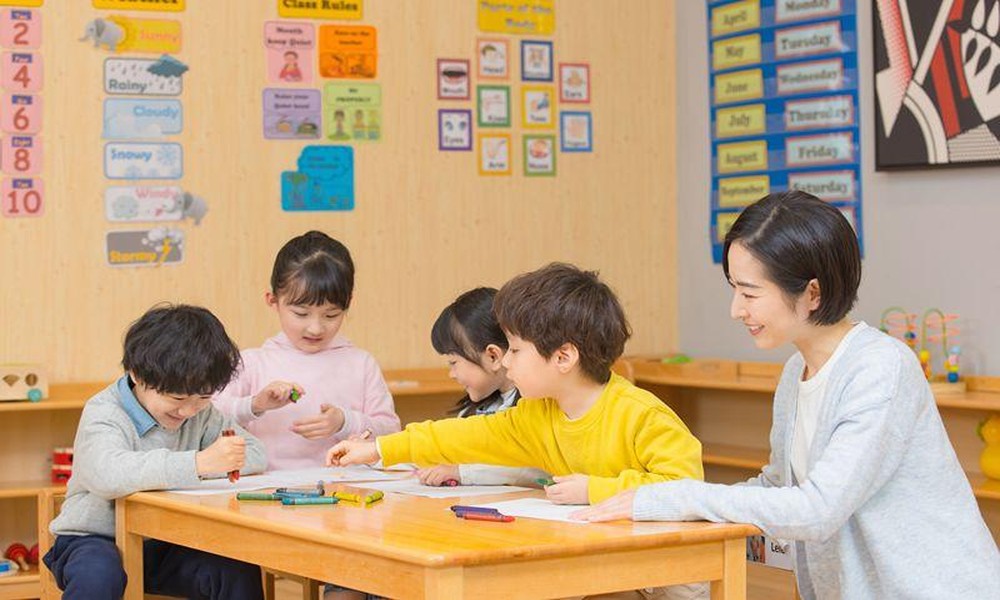
A Chinese immersion preschool works best when the language is part of how children play, communicate, and explore. A well-designed Chinese immersion preschool allows Mandarin to flow through storytelling, music, routines, and relationships. This builds familiarity and comfort, which are essential for long-term retention.
Do observe how teachers model language and behaviour
Children learn as much from observation as from instruction. In both a global preschool and a Chinese immersion preschool, teachers who naturally switch languages, demonstrate curiosity, and respond patiently help children feel safe engaging with new ideas. Observing classrooms in action often reveals more than brochures or curriculum outlines.
Do consider emotional safety as foundational
Young children need predictable routines, responsive adults, and a sense of belonging. Whether choosing a global preschool or a Chinese immersion preschool, parents should notice how children are comforted, guided, and encouraged. Academic goals follow more naturally when children feel secure.
The Don’ts: Common Pitfalls That Limit Impact
Don’t assume earlier always means better.
There is a widespread belief that the earlier a child enters a Chinese immersion preschool, the stronger their language outcomes will be. While early exposure is helpful, quality matters more than timing alone. A child who is emotionally ready and supported often learns more effectively than one placed into immersion too early without adequate scaffolding.
Don’t confuse structure with rigidity.
Overly rigid environments can restrict curiosity and natural learning. A global preschool that leaves room for exploration allows children to connect ideas across cultures organically. Similarly, a Chinese immersion preschool should adapt language use to the child’s responses. Flexibility supports engagement; rigidity often undermines it.
Don’t expect immediate, measurable results.
Language learning and cultural understanding develop gradually. Expecting quick fluency or obvious milestones can create unnecessary pressure. Children may understand far more than they can articulate. Patience is essential, especially in a Chinese immersion preschool where progress may not look linear.
The Maybes: Decisions That Depend on the Child
Maybe bilingual exposure should be balanced, not total.
Some children thrive in full immersion, while others benefit from a balanced approach that blends home language and Mandarin exposure. For some families, a global preschool with meaningful Mandarin integration may be more effective than full immersion. The “right” balance depends on the child’s temperament and family context.
Maybe continuity matters more than curriculum switching.
Switching programmes frequently in search of the “perfect” model can disrupt learning. Consistency often outweighs theoretical advantages. A child who remains in a supportive global preschool or Chinese immersion preschool gains trust and familiarity. Educational continuity supports emotional regulation and learning confidence.
Maybe parental involvement shapes outcomes more than programme type.
Parental attitudes toward language and culture influence how children engage with learning. Children are more motivated when parents reinforce curiosity and respect at home. Reading bilingual books, valuing cultural diversity, and showing interest in what children learn amplify the benefits of both a global preschool and a Chinese immersion preschool.
How Global and Immersion Models Can Complement Each Other
Global-minded environments that respect cultural identity while offering deep language exposure prepare children for multilingual, multicultural contexts. What ultimately matters is not how a programme describes itself, but how it functions day to day. Parents evaluating a global preschool or Chinese immersion preschool benefit from asking practical questions. Observing these details reveals whether philosophy translates into practice.
Conclusion
Choosing between a global preschool and a Chinese immersion preschool requires understanding how children learn, how language develops, and how environments shape confidence. The most effective choice balances exposure with emotional safety, structure with flexibility, and ambition with patience. By focusing on do’s, avoiding common don’ts, and thoughtfully considering the maybes, parents can make decisions that support language acquisition, lifelong curiosity and resilience.
If you’re exploring how Chinese immersion can sit naturally within a global learning environment, reach out to Odyssey – The Global Preschool today.




Comments are closed.