


Building full sentences in Mandarin gives children clearer ways to express ideas. Young learners often start with single words, then short phrases, before gaining confidence to speak in complete thoughts. Steady guidance shapes this growth, especially when routines stay predictable and activities stay playful. Families and educators use different methods to help children speak with structure, and tuition centres in Singapore offer private tutoring and focused support for learners who need clearer scaffolding.
Why Sentence Use Matters in Early Mandarin
Full sentences help children organise thoughts with clarity. Mandarin relies on rhythm, tone, and simple structure, so early exposure to complete patterns supports listening and speaking skills. When children hear sentences repeatedly, they begin to recognise how words fit together.
Some families enrol in a Chinese enrichment class for K2, where teachers introduce sentence frames through songs, stories, and short role-play scenes. Activities stay light and interactive, avoiding pressure while still encouraging structured speech. Guidance through familiar patterns provided by tuition centres in Singapore helps children practise without pressure, giving them room to repeat sentences with gentle cues.
Creating Simple Sentence Frames Kids Can Follow
Frames act as training wheels for Mandarin. Short structures such as “I want…,” “I see…,” or “I can…” help children produce clear sentences without feeling overwhelmed. Repetition strengthens recall, and playful interactions make the process enjoyable.
A Chinese enrichment class for K2 uses visual cues that help young learners connect words with actions or objects, keeping sentence frames clear and meaningful. Children benefit when frames appear in different activities, not only during guided lessons. Simple prompts tied to animals, food, or movement give young learners chances to build full sentences without strain. Small shifts in context strengthen recall and keep patterns lively.
Using Everyday Situations To Practise Full Sentences
Home routines offer many chances for sentence building. Parents can ask simple questions during dressing, meals, or play. Questions such as “What do you want?” or “Where is it going?” encourage structured replies. Children gain confidence when adults model short, clear answers.
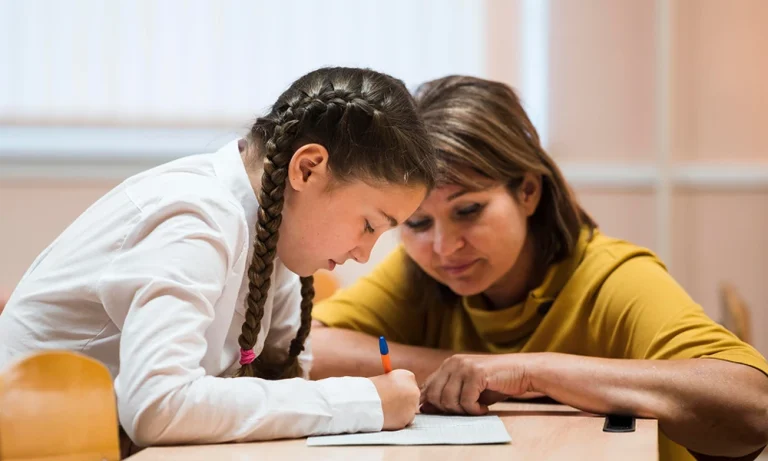
Daily situations become speaking prompts during private tutoring sessions. Guided sessions offer small adjustments to improve clarity. Consistency across home and guided sessions strengthens sentence fluency over time. Families in a Chinese enrichment class for K2 can pair home practice with classroom themes to create smooth transitions between settings.
How Play Encourages Sentence Confidence
Games bring structure without pressure. Story cubes, object hunts, or pretend shops give children reasons to speak in full sentences. Playful scenes invite creative responses, and young learners enjoy acting out simple roles.
Role-play used during private tutoring sessions helps children express full ideas. Open prompts give learners room to build longer responses. Gentle corrections help children shape sentences with better flow. Group activities in a Chinese enrichment class for K2 encourage children to respond to peers with complete phrases.
Building Listening Skills To Support Speaking
Listening influences sentence use as much as speaking. Children must recognise sentence patterns before producing them. Clear audio cues, calm surroundings, and predictable pacing help learners absorb new structures.
Focused listening practice is a standard in tuition centres in Singapore and introduces steady rhythms and short, repeated cues. Models of complete sentences given at a manageable pace allow children to follow tone and structure. Parents can support this by keeping background noise low during Mandarin activities and repeating familiar sentences during daily routines.
Encouraging Independence With Gentle Guidance
As children gain confidence, they begin forming sentences without prompts. Independence grows through consistent exposure. When adults give space for longer replies, learners practise combining ideas with clarity.
Tuition centres in Singapore can offer steady guidance that nurtures growing independence. Guided sessions gradually reduce scaffolding, letting children take the lead in short conversations. Simple questions encourage learners to stretch their sentences. Families may notice children initiating more Mandarin responses as exposure increases.
Practical Tools That Strengthen Sentence Growth
Tools such as picture charts, themed object sets, and sound cards help children organise ideas visually. Concrete prompts make sentences easier to form. Parents can rotate materials weekly to keep activities lively.
Tools selected through private tutoring match each child’s pace. Selected visuals that match learning goals keep sessions manageable and engaging. Many families combine guided sessions with home kits so children can continue practising with a familiar set of cues.
Guiding Children Toward Steady Mandarin Expression
Full sentence use grows through practice, predictable routines, and friendly support. Children gain confidence when adults model clear patterns and offer gentle space for expression. Private tutoring paired with structured activities gives young learners steady guidance as they move from single words to structured sentences. Contact LingoAce to begin steady Mandarin practice for your child.




Comments are closed.