


Key Takeaways
- A bilingual preschool in Singapore integrates two languages into daily routines, helping children learn naturally through repetition and context.
- Play-based activities and peer interactions encourage children to practise both languages in social settings, building confidence over time.
- The preschool learning curriculum links bilingual literacy and numeracy with themes, stories, and classroom projects, supporting early school readiness.
- Teacher modelling and family engagement extend language exposure beyond the classroom, reinforcing learning at home and during cultural activities.
Introduction
In Singapore, parents consider language exposure when choosing a preschool, especially in a multilingual environment where English and Mandarin are crucial. A bilingual preschool in Singapore introduces children to two languages during ordinary classroom routines, rather than treating language as a separate subject. The preschool learning curriculum blends stories, songs, conversations, and play, helping children hear and use both languages naturally. Families may wonder how bilingual settings affect communication, confidence, and readiness for primary school. The everyday benefits of bilingual preschool can help parents compare programmes and picture how language learning fits into a child’s daily school experience.
1. Everyday Language Exposure Through Routine Activities
Children in bilingual settings hear both languages during greetings, circle time, and transitions. Teachers may switch languages for instructions, songs, and classroom rules, which helps children understand context through repetition. The preschool learning curriculum often assigns specific activities to each language, so children connect words with actions and routines. Parents notice children using classroom phrases at home, which shows how routine-based exposure reinforces understanding.
2. Play-Based Communication And Social Interaction
Play creates opportunities for children to practise language in social settings. Role-play corners, storytelling props, and group games encourage children to speak with peers in both languages. Teachers introduce vocabulary through songs and movement activities that repeat sounds and phrases. In a bilingual preschool in Singapore, children often mix languages during pretend play, reflecting how they connect ideas across both systems, which can help shy children participate without pressure to speak perfectly, building confidence through interaction.
3. Bilingual Literacy And Early Numeracy Foundations
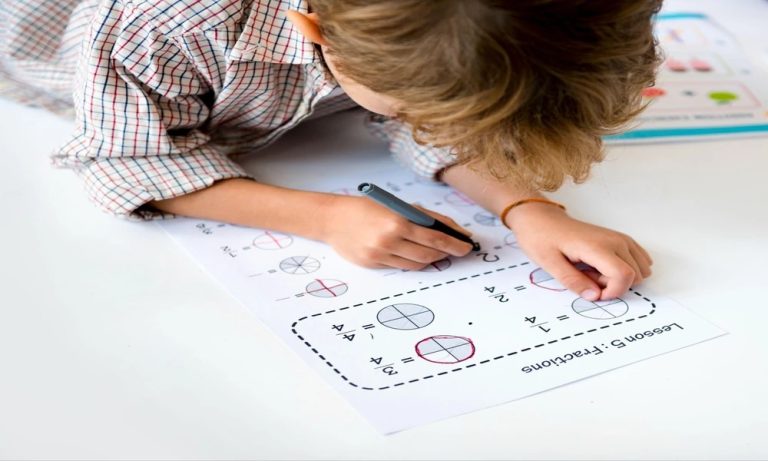
Early literacy and numeracy appear in both languages through simple books, labels, and classroom charts. Teachers may introduce basic characters or pinyin alongside English letters, linking symbols with sounds and meaning. The preschool learning curriculum often uses themes such as animals, community helpers, or seasons, with bilingual discussions and activities. Children learn counting, colours, and basic sentences in both languages, which supports early reading readiness without formal testing. Parents see this integration in portfolios and displays that combine art, writing, and science topics with language practice.
4. Teacher Modelling And Guided Conversations
Teachers play a central role in modelling how languages are used. They repeat phrases, expand sentences, and ask questions that prompt children to respond. Visual aids, gestures, and real objects help clarify meaning, especially for new vocabulary. Small-group discussions give children space to practise speaking with support. In a bilingual preschool in Singapore, consistent teacher interaction helps children hear natural sentence structures and pronunciation, which influences how confidently they speak. Families often receive updates on classroom discussions, which show how children respond in both languages during guided activities.
5. Cultural Awareness And Family Engagement
Bilingual settings often include cultural celebrations, stories, and songs that reflect different traditions. Children participate in festivals, performances, and themed activities that link language with cultural context. The preschool learning curriculum may include family events and workshops that explain language milestones and suggest home activities. Parents can reinforce learning with shared stories or simple conversations, which mirror classroom experiences. These connections help children recognise both languages as part of daily life rather than academic tasks, and families gain insight into how language development unfolds over time.
Conclusion
Parents sometimes expect bilingual preschools to produce fluent speakers within a short period, but language development usually appears in gradual shifts across routines, play, and conversations. Children may understand far more than they say, which can feel concerning without context. Bilingual preschools in Singapore integrate language throughout the preschool learning curriculum, helping progress build through repetition and meaningful use rather than formal drills. The gap between expectation and everyday classroom practice can help parents interpret observations and reports with patience, viewing bilingual development as an ongoing process that unfolds across months and years.
Visit Orange Tree Preschool to discover how beneficial bilingual early learning is for your children.



Comments are closed.