
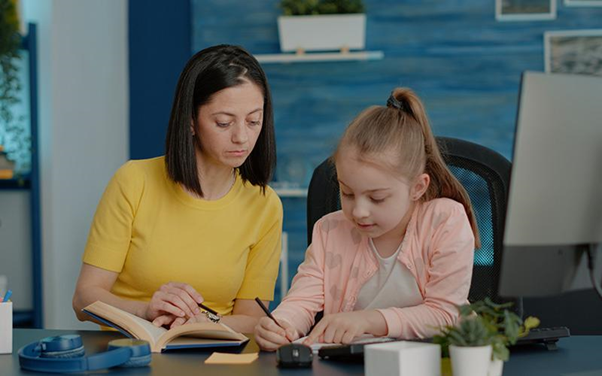
Phonics is often pitched as the golden key to reading fluency. It teaches kids how sounds match letters, helping them decode words instead of just memorising them. But here’s the thing: not all phonics classes work the same way. Some kids move forward quickly, while others stall despite weekly lessons. So, how do you know if your child’s phonics programme is actually doing its job?
This article cuts through the confusion and highlights what signs to watch for. Whether you’re attending casual phonics classes in Singapore or eyeing the best tuition centre in Singapore, there are some clear clues that your child is either thriving or just treading water.
Your Child Starts Reading with Less Guessing
One of the first signs that a phonics programme is working is when your child stops relying on guesswork. Instead of staring at a word like “chicken” and blurting out random animals, they break it down. They sound out the “ch,” the “ick,” and then the “en.” It may be slow at first, but progress is progress.
Phonics help children identify letter patterns. If your child begins to handle unfamiliar words using these patterns, that’s a win. Good tuition centres know this and make decoding part of every lesson, especially those offering phonics classes in Singapore for early readers.
Writing and Spelling Start to Improve
Reading and writing are like two sides of the same sandwich. When phonics click, spelling improves too. Children start to spell words how they sound, and while early attempts might be a bit off (“fone” instead of “phone”), they show that sound-symbol mapping is happening.
If your child can apply what they’ve learnt in phonics to their writing at school or during tuition, that’s another sign of solid progress. A tuition centre in Singapore that focuses on literacy will usually track this, even in informal assessments.
Confidence During Reading Time
Confidence can be a major indicator. Children who struggle with reading tend to get anxious when asked to read aloud. But when phonics starts working, that anxiety shrinks. They approach books with more curiosity and less fear.
If your child begins to choose books on their own or read signs and menus out loud without being prompted, take note. These small signs point to growing confidence that comes from having real tools to read with.
They Start Correcting Themselves
A self-correcting reader is one who uses phonics instinctively. If your child stumbles over a word, pauses, and then tries again with a different sound blend, that shows real understanding. It means they’re engaging with what they’ve learned and applying it on the fly.
Good phonics instruction encourages trial and error. If your child is confident enough to stop and try again, rather than skip over tricky words or guess wildly, the programme is likely doing its job.
There’s Consistency Between Home and Class
Phonics programmes should not be a mystery to parents. If your child’s tuition centre in Singapore is worth the investment, you’ll see a connection between what happens in class and what your child does at home. The best tuition centre in Singapore will often share learning goals, reading strategies, and progress updates with parents.
Watch for signs like shared reading routines, common word lists, or familiar games that show up in both places. Consistency helps reinforce skills and build lasting reading habits.
They Ask More Questions About Words
It might feel annoying when your child asks, “Why is there a silent ‘e’?” or “Why does ‘ph’ make an ‘f’ sound?” But this curiosity is a clear sign of phonics awareness. It shows they’re noticing patterns and thinking critically about language.
Phonics classes in Singapore that work well tend to make room for this kind of questioning. If your child’s tutor encourages exploration and explains these rules, it deepens understanding and keeps things engaging.
Patience Still Matters
Not every child progresses at the same rate. Some pick up phonics quickly, others take longer to blend sounds or recognise tricky letter groups. That doesn’t mean the programme isn’t working. What matters is whether there’s a steady climb in skill level over time.
If your child isn’t showing any signs of improvement after a few months, it might be worth speaking with the tutor. The best tuition centre in Singapore won’t stick to a rigid script. They’ll adapt lessons or suggest a different pace if needed.
Contact The Eton Academy to find phonics classes in Singapore that focus on real results, build reading confidence, and support your child’s unique learning journey.