
If your child is enrolled in an English enrichment class or considering one, you’ve probably asked yourself a dozen questions. Are they learning? Is the class too advanced? Too basic? In today’s ultra-competitive education landscape, especially in Singapore, where English is the working language of schools and society, English-speaking classes for kids seem like a must. But are all these classes created equal? And how do you spot the ones that help from the ones that tick a box?
When the “Enrichment” Feels Anything But
One of the most overlooked issues in English enrichment classes is misalignment. Many programmes, particularly those structured with heavy grammar and vocabulary drills, overlook the fundamental principle of language learning.
Language should be lived, not learned through worksheets alone. A quality English-speaking class for kids prioritises active conversation, listening, and storytelling alongside formal instruction.
Another warning sign? Classes are grouped too broadly by age instead of proficiency. Good programmes assess and group students by ability, not birth year.
Why Early Fluency Isn’t a Sprint
Parents often worry that if their child isn’t speaking fluently by age four, they’re “behind.” But here’s the truth: language development isn’t linear. Children pick up new languages in bursts. A child might listen passively for months before suddenly speaking in sentences.
This is particularly true in immersive or conversational English speaking classes for kids, where learners are encouraged to engage naturally at their own pace. In fact, studies show that passive language exposure can be as effective as structured instruction, especially in the early stages.
Speed doesn’t always equal success. Instead of rushing toward vocabulary tests, focus on how confidently and spontaneously your child uses the language in everyday life.
English is More Than Phonics
It’s tempting to assume that learning English is just a matter of mastering phonics or grammar rules. But children absorb it through meaningful context.
A solid English enrichment class encourages kids to use language to express ideas, share stories, ask questions, and make friends. Communication is about purpose, and any class that forgets this quickly loses student engagement.
Another myth? That children can “pick it up at school”, and enrichment is just for struggling learners. On the contrary, enrichment can be vital even for high-performing children who want to expand vocabulary, improve fluency, or explore language creatively through writing or drama-based activities.
Navigating the Enrichment Maze
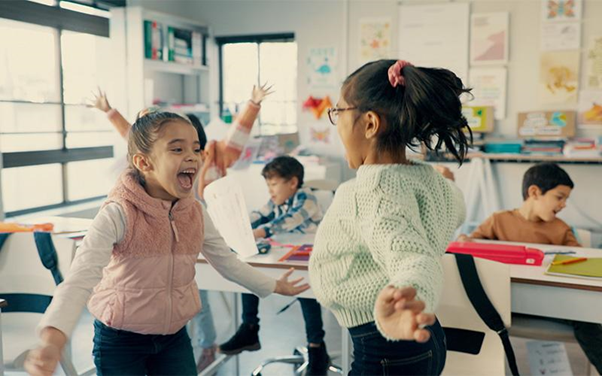
Do: Observe how the class is conducted. Look for activities that balance speaking, listening, reading, and writing. A classroom filled with group discussions, interactive stories, or collaborative games is usually more effective than one filled with silent worksheets.
Don’t: Overload your child’s schedule with enrichment for competition. English enrichment should support natural, spontaneous use of the language. Give them downtime to read, watch cartoons in English, or chat with friends.
Maybe: Consider flexible class structures. Some enrichment programmes offer smaller class sizes and open-ended formats that adjust to your child’s needs. If you’re unsure whether your child needs a boost in speaking confidence or vocabulary range, start with a placement test or consultation.
Where English Enrichment Is Headed in 2025
English enrichment in Singapore is shifting, from traditional rote learning to more holistic, communication-based methods. Schools and private centres are recognising that what matters most is a child’s ability to think, respond, and express themselves clearly, not just pass tests.
In line with this, English-speaking classes for kids are increasingly incorporating elements like public speaking, storytelling, creative writing, and media literacy. Programmes now use real-world contexts to build language skills that are applicable, memorable, and meaningful.
There’s also a growing focus on intercultural communication, which is vital in Singapore’s multilingual society. More programmes are integrating global themes, helping children understand tone, register, and audience when switching between informal chats and formal presentations, even at a young age.
As these trends continue, the best enrichment classes will be those that see children not as passive learners but as active communicators capable of growth when given the right space, structure, and encouragement.
Is It Worth It?
An English enrichment class or English-speaking class for kids can absolutely be worth the investment when done right. The goal is not just fluency, but confidence, critical thinking, and curiosity. The best classes meet your child where they are and guide them forward with care and intention. As a parent, your role is to engage, observe, and ask the right questions. Is your child enjoying the class? Do they come home with new words or stories to share? Are they using English naturally, or just completing tasks?
Ultimately, learning a language is less about drills and deadlines and more about discovery. And that’s something every child deserves to experience. Reach out to the United Language Centre today.