Key Highlights
- A safe and stimulating physical environment is paramount for a child’s daily comfort and exploration.
- The curriculum should offer a healthy balance between structured academic learning and creative play.
- Low teacher-to-student ratios ensure that each child receives the personalised attention they need.
- Proximity to home or work is a practical consideration that significantly impacts a family’s daily routine.
Introduction
Choosing the right early childhood environment is a pivotal moment for any parent. In a vibrant residential hub like Yishun, there is a wealth of options for early learning. However, not every centre is the same, and what works for one family may not be the ideal fit for another. When searching for a kindergarten in Yishun, parents must look beyond the glossy brochures to find a place that truly aligns with their values and their child’s unique personality. Quality childcare in Singapore is defined by more than just academics; it encompasses the emotional, social, and physical well-being of the child. By taking a systematic approach to evaluating your options, you can find a nurturing space where your child can thrive and develop a lifelong love for learning.
1. The Safety and Quality of the Learning Environment
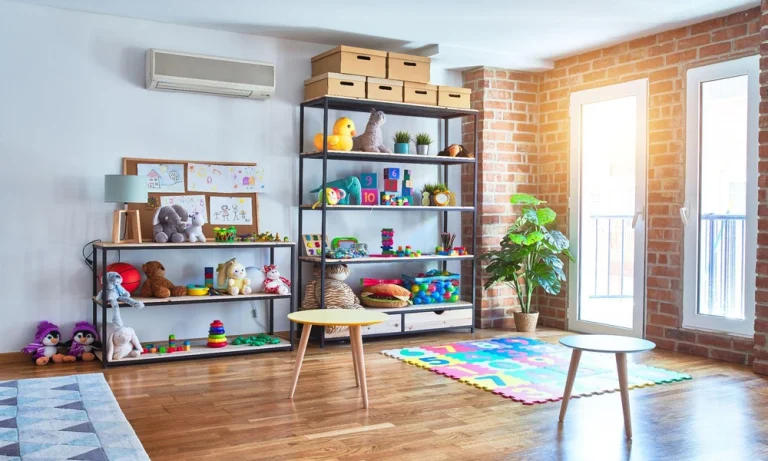
The first thing to assess when visiting a kindergarten in Yishun is the physical space. A high-quality centre should be clean, well-ventilated, and filled with natural light. Look for safety features such as rounded corners on furniture, secure entry points, and child-safe play equipment. Beyond safety, the environment should be stimulating. Are there dedicated zones for different activities like art, reading, and sensory play? A well-organised space encourages children to take the lead in their own learning and helps them feel secure in their surroundings. The best examples of childcare in Singapore prioritise creating a home away from home atmosphere that reduces anxiety and promotes a sense of wonder.
2. Curriculum Philosophy and Teaching Methods
Different centres follow different educational philosophies, ranging from the structured Montessori method to more play-based, inquiry-led approaches. When evaluating a kindergarten in Yishun, ask the staff to explain their daily schedule and how they teach core subjects like literacy and numeracy. A good curriculum should be developmentally appropriate, meaning it challenges the child without causing undue stress. It should also include plenty of opportunities for creative expression through music, dance, and outdoor play. Understanding how a centre balances academic preparation with character development is essential for ensuring your child becomes a well-rounded individual who is ready for the future.
3. Teacher Qualifications and Interaction Style
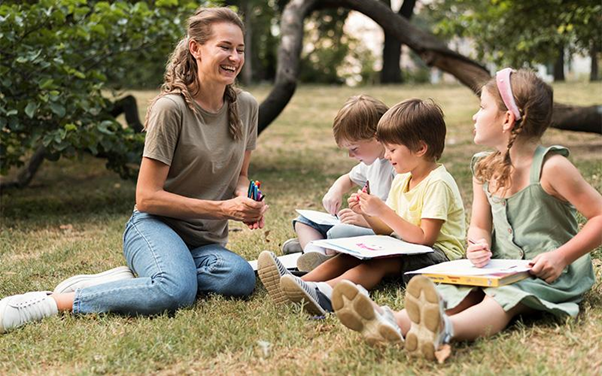
The quality of a child’s experience is almost entirely dependent on the teachers. When exploring options for childcare in Singapore, inquire about the teachers’ qualifications and their years of experience. However, the soft skills of the staff are just as important. During your tour, observe how the teachers interact with the children. Are they warm, patient, and responsive? Do they encourage children to express their feelings? A low teacher-to-student ratio is a strong indicator of quality, as it allows for more one-on-one time and personalised feedback. Teachers who are genuinely passionate about early childhood education will create a supportive environment where your child feels seen and valued.
4. Practicality and Location within Yishun
While the quality of the programme is the top priority, the practicalities of daily life cannot be ignored. Choosing a kindergarten in Yishun that is close to your home or your primary transport route to work can save hours of travel time each week. Consider the centre’s operating hours and whether they offer full-day or half-day programmes to suit your work schedule. Additionally, look into the school’s communication methods-do they provide regular updates and photos of your child’s progress? Finding a centre that fits seamlessly into your family’s lifestyle will reduce stress for both you and your child, making the daily transition to school a much smoother and happier experience.
Conclusion
Finding the right kindergarten in Yishun is a journey that requires careful observation and a clear understanding of your child’s needs. By focusing on the environment, the curriculum, the quality of the teachers, and the practicalities of the location, you can make a choice that you feel confident about. The early years are a precious time of growth and discovery, and the right childcare in Singapore will provide the perfect foundation for that journey. Take the time to visit multiple centres, ask plenty of questions, and trust your instincts. When you find the right fit, you will see your child blossom in a community that supports their potential every single day.
Looking for a nurturing and high-quality environment for your little one? Contact Apple Tree Playhouse today to schedule a tour of our kindergarten in Yishun and see our dedicated team in action.