Tag

childcare singapore

Browsing

Key Takeaways

  • The Montessori method encourages children to take ownership of their own learning journey.
  • Mixed-age classrooms foster a unique peer-teaching environment that builds social maturity.
  • Practical life skills taught in these centres lead to greater independence at home and school.

Introduction

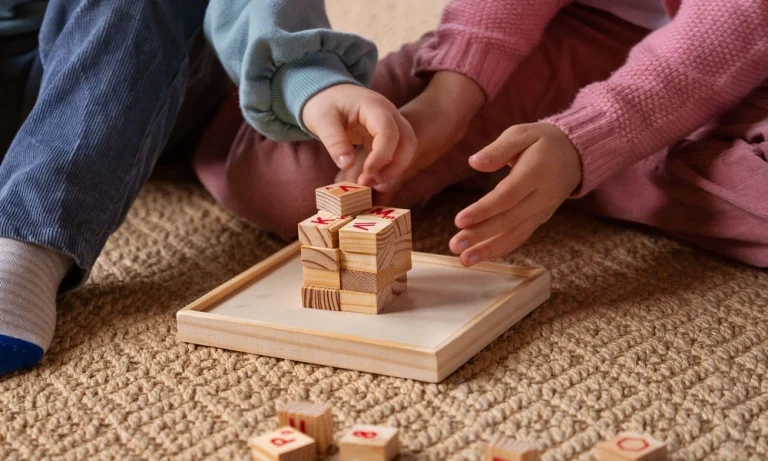
When you first walk into a childcare centre in Singapore that follows a Montessori philosophy, you might be struck by how quiet it is. It isn’t the eerie silence of children being told to be still, but rather the focused hum of young minds at work. You see children as young as three carefully carrying trays, slicing bananas, or arranging coloured beads with intense concentration. It’s quite different from the high-energy, often chaotic atmosphere of a traditional playroom. This intentionality is the hallmark of Montessori childcare learning. It’s an approach that doesn’t just look at the child as they are today, but as the adult they will one day become.

The Power of Self-Directed Learning

In many educational settings, the teacher is the “sage on the stage,” directing every move the children make. However, in a Montessori-based centre, the child is the protagonist. They are given the freedom to choose their work from a range of developmentally appropriate options. This might sound like a recipe for mayhem, but it is actually deeply disciplined. Because the children choose what they do, they are naturally more invested in the task. If a child wants to spend an hour learning how to button a shirt or count to a thousand using golden beads, they are allowed that time.

This freedom builds a sense of agency that is rare in traditional schooling. Imagine being four years old and being trusted to manage your own time! It instils a profound sense of self-worth. They learn that their interests matter and that they have the capability to see a task through to the end. You know that spark of pride when a child shouts, “I did it myself!”? Montessori education seeks to keep that spark alive every single day. By removing the constant “no” and “don’t touch” of typical environments, we allow their curiosity to lead the way.

Developing Practical Life Skills

One of the most unique aspects of this method is the emphasis on “Practical Life” exercises. These are everyday tasks like pouring water, sweeping the floor, or polishing a mirror. To an adult, these are chores; to a child, they are fascinating opportunities to master their environment. A childcare centre that integrates these activities is helping children develop incredible fine motor control and hand-eye coordination. But more than that, it teaches them that they are a contributing member of their community.

These skills translate directly to life at home. A Montessori-trained child is often the one who wants to help set the table or put away their own laundry. It fosters a sense of responsibility and independence that serves them well into their teenage years and beyond. They don’t wait for someone else to fix a problem; they look for a way to do it themselves. Honestly, seeing a preschooler handle a real glass pitcher with care and precision is a great reminder of how much children can achieve when we stop underestimating them. It is about building a “can-do” attitude from the very beginning.

The Social Benefit of Mixed-Age Groups

In a typical Montessori childcare setting, you won’t find children grouped strictly by their birth year. Instead, you’ll see “vertical grouping,” where children of different ages work together. This mimics real life much better than age-segregated classrooms. The older children naturally step into leadership roles, helping the younger ones with a difficult puzzle or showing them how to wash their hands. This “peer teaching” is incredibly effective. A three-year-old is often much more interested in what a five-year-old is doing than what an adult is saying!

For the older children, this reinforces their own knowledge and builds empathy. They learn to be patient and helpful, qualities that are essential for healthy social development. For the younger ones, it provides a constant source of inspiration and a roadmap for what they will eventually achieve. This dynamic creates a tight-knit community where competition is replaced by collaboration. It reduces the “compare and despair” culture that can sometimes creep into early education, as every child is on their own unique path anyway.

Fostering a Lifelong Love for Learning

The ultimate goal of this educational style isn’t to produce “mini-geniuses” who can pass exams. It is to protect the natural curiosity that every child is born with. By allowing kids to explore topics that genuinely interest them, the Montessori method ensures that learning never feels like a chore. Whether it is botany, mathematics, or language, the child approaches the subject with a sense of wonder. This intrinsic motivation is the key to long-term academic success. When a child loves to learn, they don’t need rewards or punishments to keep them going.

As they move into primary school and eventually adulthood, these children carry a toolkit of “how to learn” rather than just “what to learn.” They are researchers, thinkers, and explorers. In an ever-changing world, the ability to adapt and teach oneself new things is perhaps the most valuable skill a person can have. It is about nurturing the whole person-mind, heart, and hands. When you choose this path, you are giving your child the gift of a solid internal foundation that will support them no matter where life takes them.

Conclusion

The Montessori approach offers a refreshing alternative to the fast-paced, high-pressure environments we often see. It respects the child’s natural rhythm and provides them with the tools they need to grow into confident, independent individuals. By choosing a childcare centre that values this philosophy, you are investing in a future where your child is not just a student, but a lifelong learner. It is a beautiful way to start their journey through the world.

Wharton Preschool blends the best of Montessori principles with a caring childcare environment to give your child a truly holistic start. Get to know more about us to experience the Montessori difference for yourself.
Key Highlights

  • A safe and stimulating physical environment is paramount for a child’s daily comfort and exploration.
  • The curriculum should offer a healthy balance between structured academic learning and creative play.
  • Low teacher-to-student ratios ensure that each child receives the personalised attention they need.
  • Proximity to home or work is a practical consideration that significantly impacts a family’s daily routine.

Introduction

Choosing the right early childhood environment is a pivotal moment for any parent. In a vibrant residential hub like Yishun, there is a wealth of options for early learning. However, not every centre is the same, and what works for one family may not be the ideal fit for another. When searching for a kindergarten in Yishun, parents must look beyond the glossy brochures to find a place that truly aligns with their values and their child’s unique personality. Quality childcare in Singapore is defined by more than just academics; it encompasses the emotional, social, and physical well-being of the child. By taking a systematic approach to evaluating your options, you can find a nurturing space where your child can thrive and develop a lifelong love for learning.

1. The Safety and Quality of the Learning Environment

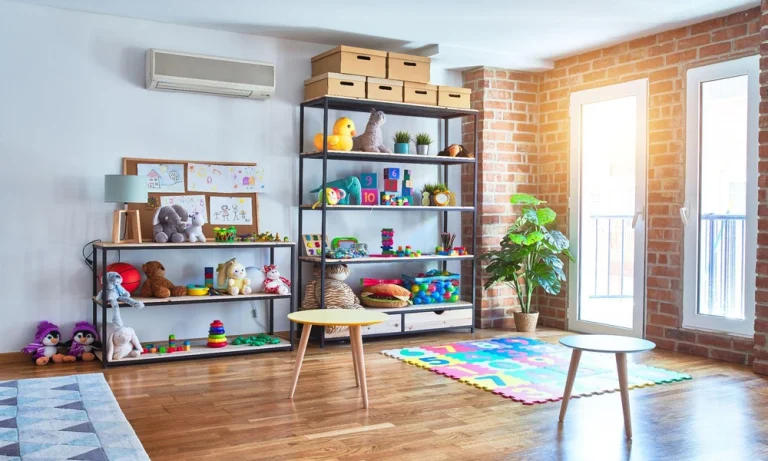
The first thing to assess when visiting a kindergarten in Yishun is the physical space. A high-quality centre should be clean, well-ventilated, and filled with natural light. Look for safety features such as rounded corners on furniture, secure entry points, and child-safe play equipment. Beyond safety, the environment should be stimulating. Are there dedicated zones for different activities like art, reading, and sensory play? A well-organised space encourages children to take the lead in their own learning and helps them feel secure in their surroundings. The best examples of childcare in Singapore prioritise creating a home away from home atmosphere that reduces anxiety and promotes a sense of wonder.

2. Curriculum Philosophy and Teaching Methods

Different centres follow different educational philosophies, ranging from the structured Montessori method to more play-based, inquiry-led approaches. When evaluating a kindergarten in Yishun, ask the staff to explain their daily schedule and how they teach core subjects like literacy and numeracy. A good curriculum should be developmentally appropriate, meaning it challenges the child without causing undue stress. It should also include plenty of opportunities for creative expression through music, dance, and outdoor play. Understanding how a centre balances academic preparation with character development is essential for ensuring your child becomes a well-rounded individual who is ready for the future.

3. Teacher Qualifications and Interaction Style

The quality of a child’s experience is almost entirely dependent on the teachers. When exploring options for childcare in Singapore, inquire about the teachers’ qualifications and their years of experience. However, the soft skills of the staff are just as important. During your tour, observe how the teachers interact with the children. Are they warm, patient, and responsive? Do they encourage children to express their feelings? A low teacher-to-student ratio is a strong indicator of quality, as it allows for more one-on-one time and personalised feedback. Teachers who are genuinely passionate about early childhood education will create a supportive environment where your child feels seen and valued.

4. Practicality and Location within Yishun

While the quality of the programme is the top priority, the practicalities of daily life cannot be ignored. Choosing a kindergarten in Yishun that is close to your home or your primary transport route to work can save hours of travel time each week. Consider the centre’s operating hours and whether they offer full-day or half-day programmes to suit your work schedule. Additionally, look into the school’s communication methods-do they provide regular updates and photos of your child’s progress? Finding a centre that fits seamlessly into your family’s lifestyle will reduce stress for both you and your child, making the daily transition to school a much smoother and happier experience.

Conclusion

Finding the right kindergarten in Yishun is a journey that requires careful observation and a clear understanding of your child’s needs. By focusing on the environment, the curriculum, the quality of the teachers, and the practicalities of the location, you can make a choice that you feel confident about. The early years are a precious time of growth and discovery, and the right childcare in Singapore will provide the perfect foundation for that journey. Take the time to visit multiple centres, ask plenty of questions, and trust your instincts. When you find the right fit, you will see your child blossom in a community that supports their potential every single day.

Looking for a nurturing and high-quality environment for your little one? Contact Apple Tree Playhouse today to schedule a tour of our kindergarten in Yishun and see our dedicated team in action.

Choosing the right place for infant care in Singapore is a critical decision for many parents. With busy work schedules and other responsibilities, parents often seek reliable and nurturing environments for their little ones. Infant care centres not only provide a safe space for babies but also ensure that they are well-cared for and engaged in stimulating activities. Understanding what to look for in an infant care centre can make the selection process much smoother and more reassuring.

Understanding Infant Care

Infant care services cater to children from as young as two months to 18 months. These centres are designed to provide a nurturing environment where babies are not only cared for but also given opportunities to learn and develop. In Singapore, infant care centres are regulated to maintain high standards of hygiene, safety, and educational practices. Caregivers are trained to handle infants with utmost care, ensuring their physical, emotional, and social needs are met. When selecting an infant care centre, it is important to look for facilities that prioritise safety and cleanliness. Regular sanitation, child-proof spaces, and proper supervision are essential. Furthermore, the staff-to-child ratio should be adequate, allowing caregivers to attend to each child’s needs promptly and effectively.

Key Factors to Consider

Finding the right infant care centre involves considering several key factors. One of the primary aspects is location. Opting for a centre close to home or the workplace can save travel time and make drop-offs and pick-ups more convenient. Additionally, checking the centre’s operating hours is crucial to ensure they align with work schedules. The curriculum and activities provided by the centre also matter. While infants may seem too young for structured learning, exposure to sensory activities, storytelling, and interactive play helps in their cognitive and social development. A good infant care centre will incorporate these activities into its daily routine to foster growth. Parental involvement is another important consideration. Some centres encourage regular communication and updates on a child’s progress. This keeps parents informed about their child’s development and any areas that may require attention.

Childcare Options in Singapore

Childcare in Singapore is widely accessible, with numerous centres offering different types of care. Infant care is typically part of larger childcare facilities that also cater to toddlers and older children. These centres are licensed by the Early Childhood Development Agency (ECDA) and follow strict guidelines to ensure quality care. Additionally, there are options for home-based childcare, where a professional caregiver provides care in a home setting. This option is suitable for parents who prefer a more personalised and less crowded environment for their infants. However, it is important to verify that the home-based caregiver is certified and has a clean background.

Making the Right Choice

Choosing the best infant care in Singapore involves visiting multiple centres and observing their environment. Take note of how caregivers interact with the babies, the cleanliness of the space, and the safety measures in place. Speaking with the staff can also provide insights into their level of experience and commitment. It is also advisable to check reviews and testimonials from other parents. This can help identify centres that have a strong reputation for quality care and a nurturing environment. Trusting your instincts during the visit is equally important – if a centre feels warm, welcoming, and professional, it is likely a good fit.

Conclusion

Selecting the perfect place for your infant’s care is a crucial decision that demands careful consideration. With so many options for childcare in Singapore, understanding the key factors that contribute to quality care can help you make an informed choice. Remember to prioritise safety, cleanliness, and a nurturing environment that supports your baby’s growth and development. For parents seeking reliable and trusted infant care services, exploring your options early can ensure you find the ideal fit for your precious little one. Contact E-Bridge Pre-School today to learn more and schedule a visit.