
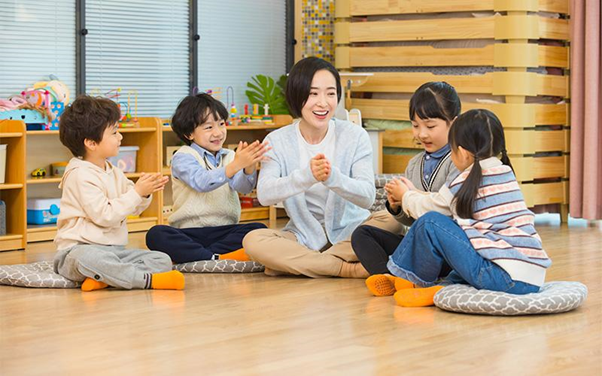
If you’ve ever sat through a language class in your twenties and wondered why the words just wouldn’t stick, you’ll understand the growing urgency many parents feel about early bilingual education. In Singapore, it’s not uncommon for parents to prioritise language exposure the moment their child enters a childcare school. And one major trend gaining ground? Chinese immersion preschool programmes. Let’s unpack what’s happening inside those Mandarin-speaking classrooms, and whether your child is absorbing more than just nursery rhymes.
What Is a Chinese Immersion Preschool?
Before diving in, let’s clear up a common misconception: Chinese immersion doesn’t mean children sit through hours of drilling and dictation. Most immersion programmes in child care schools in Singapore are structured to be age-appropriate, story-driven, and play-based. The idea is to expose children consistently to Mandarin through songs, dramatic play, picture books, and everyday conversation.
Preschools that offer Chinese immersion pathways, where up to 100% of instruction is delivered in Mandarin during certain blocks of the day. This immersion is particularly effective in early childhood because younger brains are wired for language acquisition. At this stage, exposure is what truly counts.
Unlike traditional language classes, these immersion environments aim to create a “language bubble,” allowing Mandarin to become part of a child’s world rather than a separate subject.
Will My Child Be Confused? Will They Learn Faster?
Let’s tackle the questions many parents have but are too polite to ask during the open house.
Will my child get confused between English and Mandarin?
Not likely. Research in bilingual development shows that children are capable of distinguishing between two languages as early as six months old. Rather than being confusing, early exposure to two or more languages can improve cognitive flexibility, memory, and problem-solving skills.
Will immersion make my child fluent by Primary 1?
That depends on consistency, at home and in school. Chinese immersion preschool in Singapore sets a solid foundation, but reinforcement at home strengthens retention. Fluency isn’t guaranteed, but comprehension, comfort, and confidence around the language often are.
Do I need to speak Mandarin at home too?
While helpful, it’s not a requirement. Many programmes cater to non-Chinese-speaking families and build in strategies to keep parents involved, even if they’re not fluent themselves.
Inside a Preschool Chinese Enrichment Day
A typical day in a Chinese immersion preschool starts with Mandarin greetings and songs. From there, children rotate through activities like painting, water play, science experiments, and storytelling in Mandarin. Rather than explicitly translating, teachers use gestures, visual cues, and repetition to build meaning.
The curriculum may incorporate Chinese cultural elements to ground language in a real-world context. This ensures children are forming connections through experience. This fusion of language learning and curiosity-driven play makes for an environment that is immersive and enjoyable.
Making Language Learning Work at Home
Parents often worry they’ll need to overhaul their routines to support a Chinese immersion education. But even small adjustments can have a big impact.
Start with music. Mandarin nursery rhymes and animated sing-alongs are easily accessible and can be played in the car or during downtime. Picture books with pinyin or English translations help bridge the gap if you’re not fluent.
Most importantly, don’t stress about perfect grammar or pronunciation. Showing interest and encouragement is far more valuable than correction. Children pick up tone, rhythm, and vocabulary through immersion, not pressure.
Why Bilingualism Is a Singaporean Superpower
Singapore’s bilingual policy is rooted in a national identity shaped by multiculturalism and economic pragmatism. Since the 1960s, the country has promoted English as a lingua franca, encouraging ethnic communities to retain their mother tongues.
Over time, however, shifts in usage, particularly in Chinese-speaking families, have seen Mandarin being used less at home. The result? A growing gap in fluency, especially among younger generations.
By exposing children to Mandarin early and consistently, these schools help preserve linguistic heritage while equipping kids with real-world skills. In a globalised economy, being bilingual is more than a cultural asset. It’s a career advantage.
Is Chinese Immersion the Right Move for Your Family?
Choosing a child care school in Singapore is about values, community, and long-term goals. If language exposure, cultural fluency, and cognitive development are high on your list, a Chinese immersion preschool could be a valuable investment in your child’s future. That said, immersion works best when families are engaged and learning is viewed as a shared journey rather than a checklist. If your child comes home singing in Mandarin or enthusiastically teaching you new words, that’s success.
So, can preschool kids master Mandarin fast? Get in touch with Odyssey – The Global Preschool today to learn more.