
Tag

mandarin preschool

Browsing

Key Takeaways

  • A bilingual preschool in Singapore integrates two languages into daily routines, helping children learn naturally through repetition and context.
  • Play-based activities and peer interactions encourage children to practise both languages in social settings, building confidence over time.
  • The preschool learning curriculum links bilingual literacy and numeracy with themes, stories, and classroom projects, supporting early school readiness.
  • Teacher modelling and family engagement extend language exposure beyond the classroom, reinforcing learning at home and during cultural activities.

Introduction

In Singapore, parents consider language exposure when choosing a preschool, especially in a multilingual environment where English and Mandarin are crucial. A bilingual preschool in Singapore introduces children to two languages during ordinary classroom routines, rather than treating language as a separate subject. The preschool learning curriculum blends stories, songs, conversations, and play, helping children hear and use both languages naturally. Families may wonder how bilingual settings affect communication, confidence, and readiness for primary school. The everyday benefits of bilingual preschool can help parents compare programmes and picture how language learning fits into a child’s daily school experience.

1. Everyday Language Exposure Through Routine Activities

Children in bilingual settings hear both languages during greetings, circle time, and transitions. Teachers may switch languages for instructions, songs, and classroom rules, which helps children understand context through repetition. The preschool learning curriculum often assigns specific activities to each language, so children connect words with actions and routines. Parents notice children using classroom phrases at home, which shows how routine-based exposure reinforces understanding.

2. Play-Based Communication And Social Interaction

Play creates opportunities for children to practise language in social settings. Role-play corners, storytelling props, and group games encourage children to speak with peers in both languages. Teachers introduce vocabulary through songs and movement activities that repeat sounds and phrases. In a bilingual preschool in Singapore, children often mix languages during pretend play, reflecting how they connect ideas across both systems, which can help shy children participate without pressure to speak perfectly, building confidence through interaction.

3. Bilingual Literacy And Early Numeracy Foundations

Early literacy and numeracy appear in both languages through simple books, labels, and classroom charts. Teachers may introduce basic characters or pinyin alongside English letters, linking symbols with sounds and meaning. The preschool learning curriculum often uses themes such as animals, community helpers, or seasons, with bilingual discussions and activities. Children learn counting, colours, and basic sentences in both languages, which supports early reading readiness without formal testing. Parents see this integration in portfolios and displays that combine art, writing, and science topics with language practice.

4. Teacher Modelling And Guided Conversations

Teachers play a central role in modelling how languages are used. They repeat phrases, expand sentences, and ask questions that prompt children to respond. Visual aids, gestures, and real objects help clarify meaning, especially for new vocabulary. Small-group discussions give children space to practise speaking with support. In a bilingual preschool in Singapore, consistent teacher interaction helps children hear natural sentence structures and pronunciation, which influences how confidently they speak. Families often receive updates on classroom discussions, which show how children respond in both languages during guided activities.

5. Cultural Awareness And Family Engagement

Bilingual settings often include cultural celebrations, stories, and songs that reflect different traditions. Children participate in festivals, performances, and themed activities that link language with cultural context. The preschool learning curriculum may include family events and workshops that explain language milestones and suggest home activities. Parents can reinforce learning with shared stories or simple conversations, which mirror classroom experiences. These connections help children recognise both languages as part of daily life rather than academic tasks, and families gain insight into how language development unfolds over time.

Conclusion

Parents sometimes expect bilingual preschools to produce fluent speakers within a short period, but language development usually appears in gradual shifts across routines, play, and conversations. Children may understand far more than they say, which can feel concerning without context. Bilingual preschools in Singapore integrate language throughout the preschool learning curriculum, helping progress build through repetition and meaningful use rather than formal drills. The gap between expectation and everyday classroom practice can help parents interpret observations and reports with patience, viewing bilingual development as an ongoing process that unfolds across months and years.

Visit Orange Tree Preschool to discover how beneficial bilingual early learning is for your children.
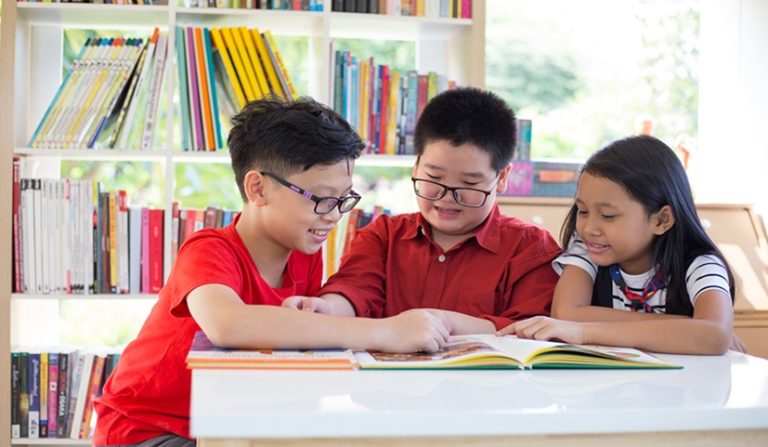
Selecting the right early learning environment lays the groundwork for a child’s long-term development. However, it’s surprisingly easy to fall into common traps when choosing a playgroup in Choa Chu Kang or anywhere else in Singapore. From mismatched learning styles to overlooked language development opportunities, parents face several challenges. The good news? These can be avoided with a bit of insight and a clear approach. This guide breaks down where things tend to go wrong and how you can make better choices from the start, especially if you’re eyeing a Mandarin playgroup in Singapore.

1. Rushing the Decision Without a Clear Goal

Parents sometimes enrol their children in the nearest or most talked-about playgroup without truly considering what they want their child to gain. Whether it’s Mandarin language immersion, better socialisation, or a structured routine, it’s essential to define the outcome you’re aiming for. When looking for a playgroup in Choa Chu Kang, visit a few in person, ask questions, and observe how each environment aligns with your priorities. Not every playgroup caters to early bilingual development, so ensure the curriculum includes Mandarin if that’s part of your goal.

2. Overlooking the Importance of Language Integration

Language development is critical in the early years, yet it’s easy to assume any playgroup will naturally support this. In reality, many focus solely on play without integrating structured language exposure. Choosing a Mandarin playgroup in Singapore allows your child to absorb the language through daily interactions, songs, and stories—without it feeling like a formal lesson. If bilingualism is something you value, make sure it’s not just an add-on but a woven part of daily activities.

3. Ignoring Class Size and Adult-Child Ratios

A small class doesn’t just mean fewer children—it means more attention. One of the most overlooked aspects when choosing a playgroup in Choa Chu Kang is the ratio of adults to children. Young learners thrive when they feel seen and heard. In large, chaotic groups, children may become withdrawn or overwhelmed. Smaller class sizes encourage better communication, more personalised guidance, and stronger peer connections, particularly important in language-heavy programmes like Mandarin playgroups.

4. Choosing Convenience Over Quality

Yes, location matters. But convenience shouldn’t override quality. It’s tempting to choose the playgroup closest to your flat, especially if you’re juggling work and errands. However, even a slightly longer commute can be worth it for a structured, nurturing, and language-rich environment. A high-quality Mandarin playgroup in Singapore doesn’t just fill time; it shapes a child’s cognitive foundation and emotional confidence.

5. Not Assessing the Daily Routine

A clear, predictable routine supports emotional security and behaviour management. Some playgroups take a “free play” approach all day, which sounds lovely in theory but can leave children feeling unanchored. A well-balanced programme includes structured learning, creative expression, outdoor play, and language exposure. Mandarin-focused sessions should be part of this rhythm—not sporadic. When reviewing a playgroup in Choa Chu Kang, ask for a sample timetable. You’ll want to see consistency paired with enough flexibility to meet each child’s pace.

6. Neglecting Cultural and Social Fit

A child learns best in an environment where they feel culturally respected and socially comfortable. This is especially vital when Mandarin is involved. A Mandarin playgroup in Singapore should foster interest in Chinese culture through festivals, music, food experiences, and roleplay. Beyond language, the social environment should reflect values you support, whether that’s kindness, respect for differences, or collaborative play. A mismatched cultural fit can lead to subtle discomfort for both child and parent.

7. Skipping a Trial Session

It’s surprising how often parents sign up without seeing how their child responds to the environment. Many playgroups in Choa Chu Kang offer trial classes—take advantage of them. Observe not just the facilities but how staff interact with children. Do they encourage exploration? How do they handle tears or conflicts? Especially in a Mandarin playgroup, watch how language is introduced: is it immersive, playful, and natural? A trial can reveal much more than a brochure or phone call ever could.

8. Failing to Plan for Transition Support

The first day can be bumpy, and not all playgroups have a strategy for easing new children into the group. A proper transition process reduces anxiety and builds trust. This might mean shorter initial sessions, parent-accompanied days, or one-on-one time with a key educator. Transition support is particularly important in a Mandarin playgroup, where the language may initially be unfamiliar. Playgroups in Choa Chu Kang that gradually ease children into the routine tend to see better long-term engagement.

9. Underestimating the Role of Teacher Quality

Facilities impress, but it’s the people who make the difference. A warm, trained, and consistent teacher can shape how your child feels about learning. In a Mandarin playgroup in Singapore, educators should be fluent and passionate—not just about the language, but about early years development. Ask about staff qualifications, language proficiency, and turnover. Stability helps children form strong emotional bonds and promotes confident language use.

10. Forgetting to Review Progress Regularly

Enrolment shouldn’t be a one-and-done decision. Regular check-ins help ensure your child is thriving and that the playgroup remains a good fit. Whether you’re enrolled in a Mandarin playgroup or a more general one in Choa Chu Kang, ask for feedback on milestones, language development, and social adjustment. Don’t wait until something feels wrong—stay curious and involved throughout the journey.

Choosing the right early education path isn’t about ticking boxes—it’s about finding a playgroup that truly supports your child’s growth and well-being. Contact Orange Tree Preschool today for a high-quality Mandarin playgroup in Singapore, especially one in Choa Chu Kang, that can nurture bilingual development and create a joyful learning foundation.