
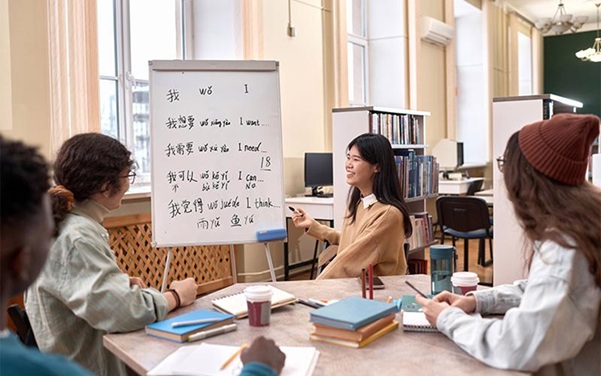
Building language development in early development is crucial. During these formative years, children absorb sounds, words, and sentence patterns rapidly. In Singapore, where bilingualism is a key part of the education system, Chinese language acquisition begins as early as preschool. Structured support through preschool Chinese tuition and Chinese enrichment classes for preschool has grown in relevance for families seeking to nurture confident young learners.
Exposure Through Storytelling
One of the most effective ways to introduce Chinese to preschoolers is through stories. Storybooks are not only engaging—they help children develop familiarity with vocabulary and sentence rhythm. Preschool Chinese tuition classes often integrate storytelling as a foundational tool, combining it with reading-aloud sessions and picture cues to promote listening comprehension. Children begin to practice spoken and written words, gradually picking up sentence patterns and expressions through repetition and guided exploration.
Building Confidence in Speaking
The classroom environment in the Chinese enrichment class for preschoolers is designed to be interactive. Teachers encourage participation through rhymes, songs, and conversations, which help children get comfortable with speaking the language. This regular verbal engagement reduces hesitation and builds early confidence. Speaking in small groups or role-playing allows them to apply new vocabulary in a safe, low-pressure setting—crucial for developing fluency later in life.
Phonetics and Word Recognition
Another core element in early Chinese education is phonetic awareness. Enrichment classes help young learners recognise tones, syllables, and character structures. Flashcards, stroke order exercises, and matching sounds with images enable children to understand the language’s building blocks. This foundational knowledge improves their ability to decode new characters, making the shift to primary school Chinese less daunting.
Creating a Structured Learning Habit
Language learning thrives on consistency. Preschool Chinese tuition helps instil a sense of structure by introducing lessons in manageable portions. Activities such as matching games, character tracing, and vocabulary drills introduce key language concepts gradually. Over time, this familiar rhythm supports the development of disciplined study habits, which become especially important when children transition into more formal learning environments, like primary Chinese tuition in Singapore.
Encouraging Curiosity and Cultural Connection
Early Chinese education does more than teach the language—it connects children to culture. Enrichment classes sometimes incorporate traditional stories, songs, or crafts to create an immersive environment. Children learn to appreciate the cultural roots behind their studies, sparking curiosity that keeps them engaged. This awareness enriches their understanding and strengthens their motivation to continue learning Chinese as they progress through school.
Bridging Preschool and Primary School Learning
Parents often express concern about the leap from informal learning in preschool to structured lessons in primary school. The confidence developed through preschool Chinese tuition makes it easier for children to adapt to the expectations of primary Chinese tuition in Singapore. They enter primary school with a vocabulary base, phonetic familiarity, and the confidence to speak up in class.
Enhancing Comprehension Through Thematic Learning
Many Chinese enrichment programmes for preschool adopt a thematic approach, where lessons are built around familiar topics like animals, family, or food. This method aids comprehension because children already relate to the context. It supports cognitive development by helping children make connections between what they hear, say, and see. The outcome is a more meaningful learning experience that supports language retention.
Writing Skills Begin Early
While speaking and listening are the initial focus, writing starts at the preschool level. Basic strokes, character tracing, and even drawing characters help build muscle memory and visual familiarity. Preschool Chinese tuition introduces writing, ensuring children become comfortable with the format without being overwhelmed. As a result, when writing assignments appear in primary Chinese tuition, students are already prepared.
The Role of Encouragement and Positive Reinforcement
At this early stage, confidence is often linked with encouragement. Effective preschool Chinese tuition settings prioritise feedback that supports progress. Children thrive when their efforts are recognised, and mistakes are treated as part of learning. This mindset builds resilience and reinforces that language acquisition is a journey, not a test.
Preschool Chinese education in Singapore plays a foundational role in shaping young learners’ confidence. From story-based engagement to phonetics, early writing, and cultural appreciation, these classes prepare children for a smoother transition into primary Chinese tuition. As language skills grow, so does the learner’s belief in their ability—something that can make all the difference.
For more information about preschool Chinese tuition and enrichment solutions, contact Hua Cheng Education Centre today.

Comments are closed.